• Skip to main content
  • Skip to footer
  • Donate
  • Become a Member
  • Volunteer With Us!
  • Cart

Waterford Foundation

  • Education
    • K-12 Education Programs
    • The Waterford Fair
    • Waterford Craft School
    • Waterford HIstory
    • Remote Learning
    • The Quakers
    • African Americans in Waterford
  • Preservation
    • Historic Buildings
    • Mill Stabilization Project (2009-2023)
    • John Wesley Community Church Restoration
    • Dashboard Map of Western Loudoun Development, 1950-2020
    • Phillips Farm
  • Shop
    • Books
    • Donate
    • Membership
    • Lantern Light Fund
  • Events
  • Weddings & Rentals
  • About
    • Contact Us
    • Meet the Staff
    • Meet the Board
    • Visit Waterford
    • Support
    • Join Us
  • News
  • Privacy Policy

News

Oh what a night…VOLUNTEER party recap 2025!

November 26, 2025 by Tracy Kirkman

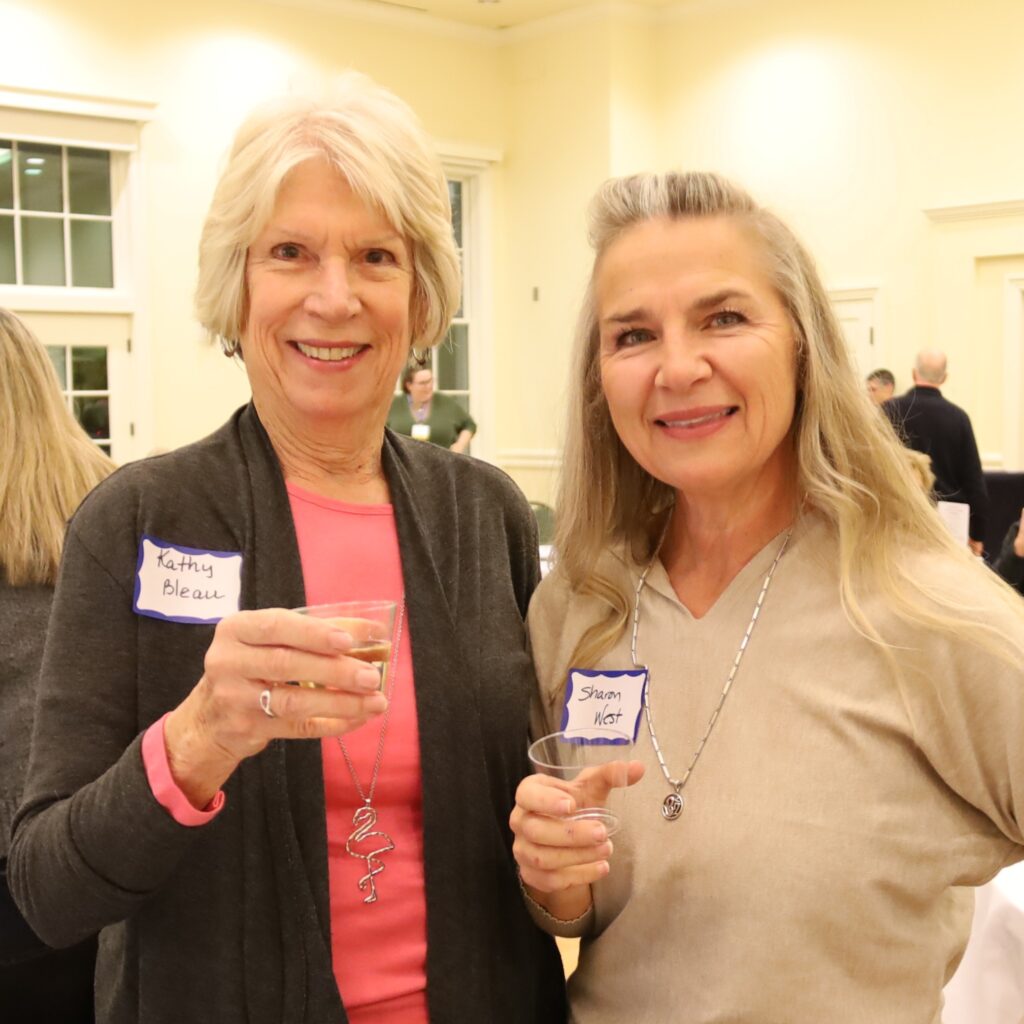
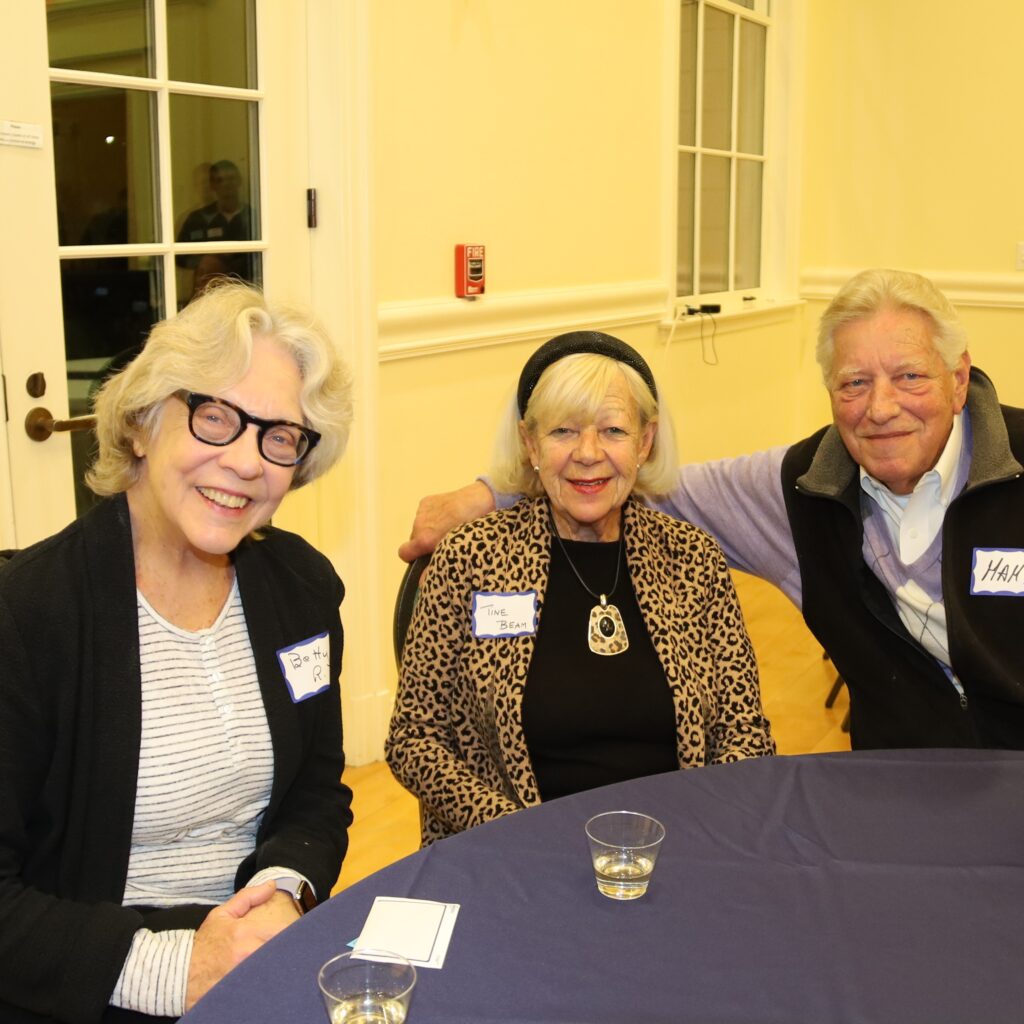
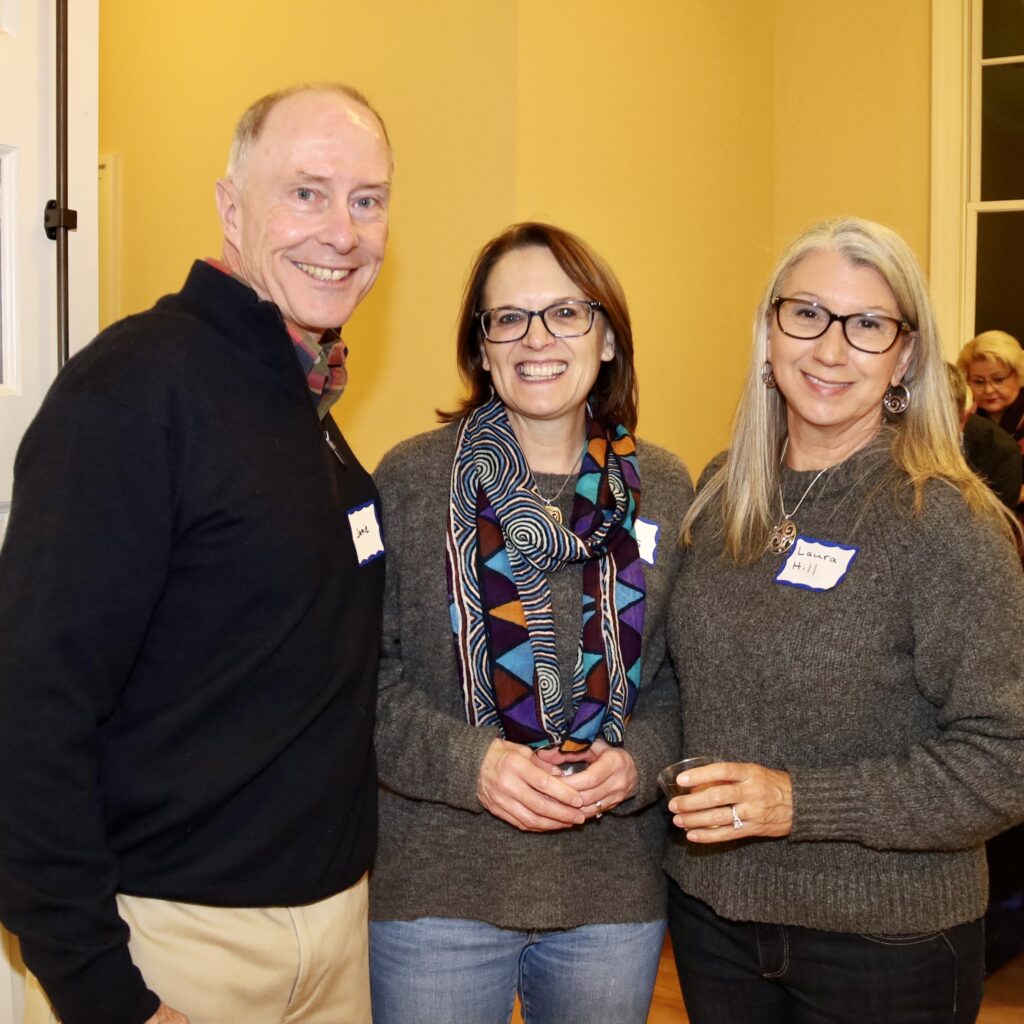
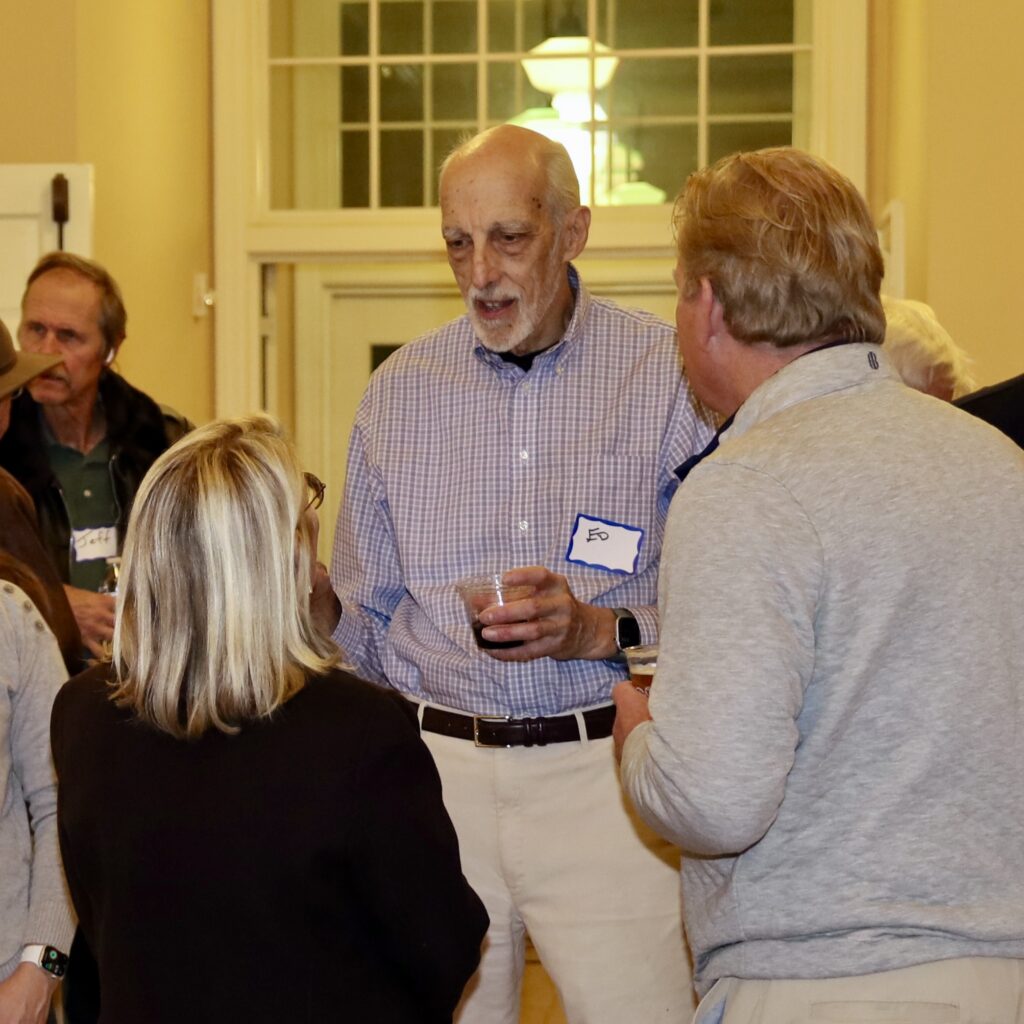
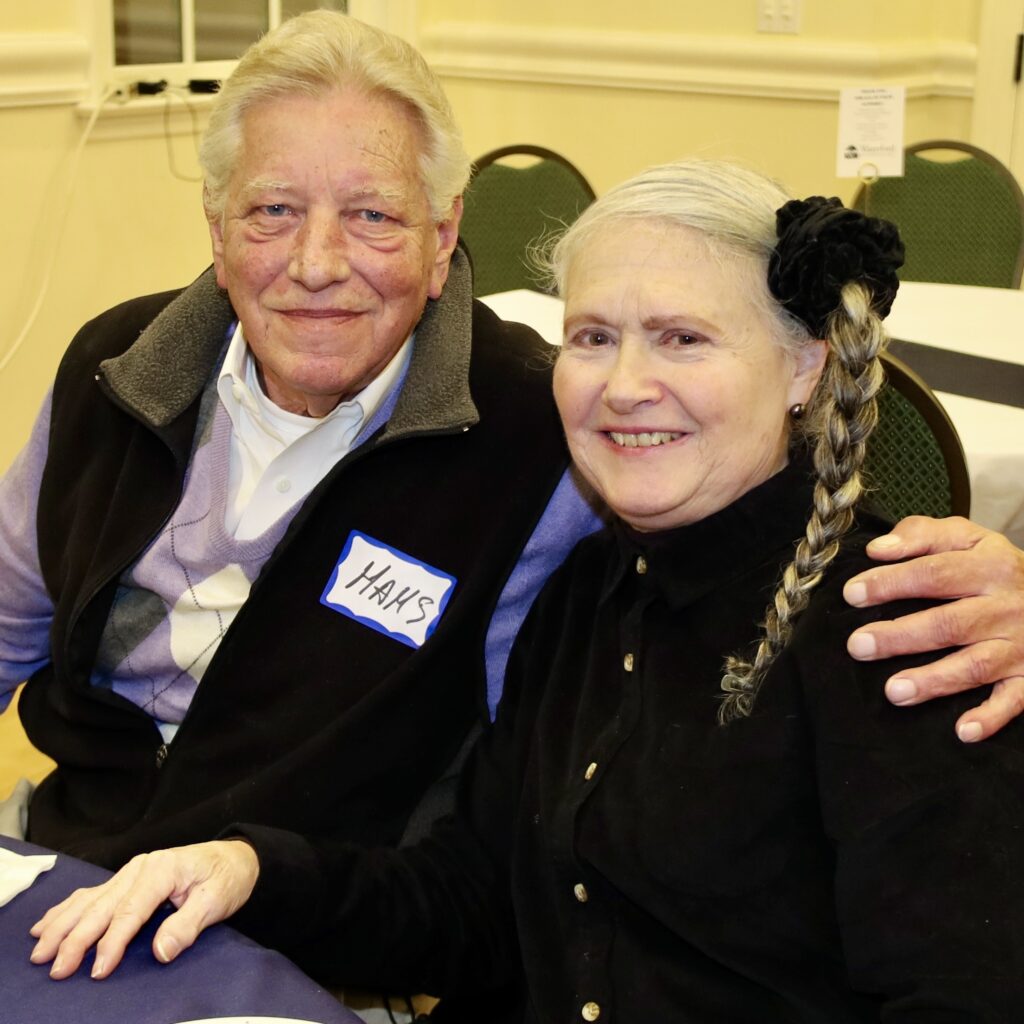
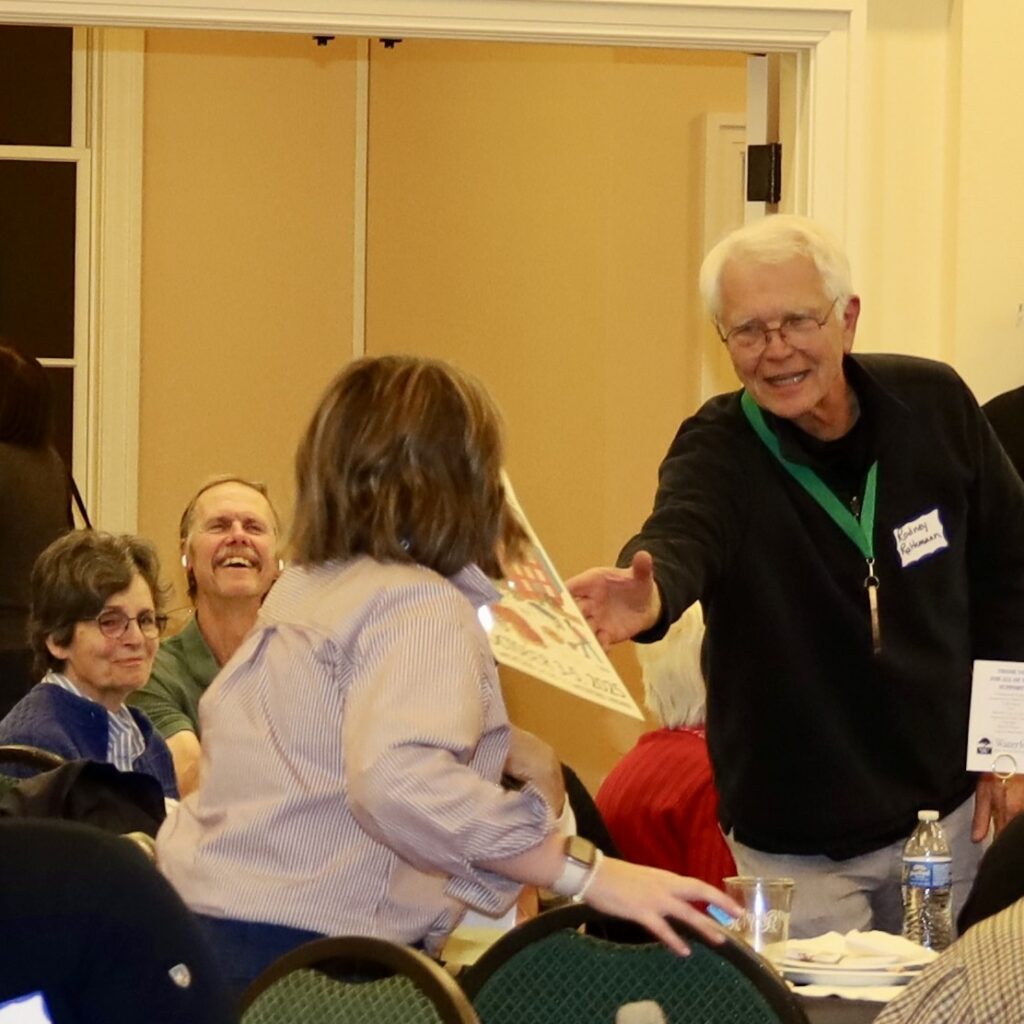
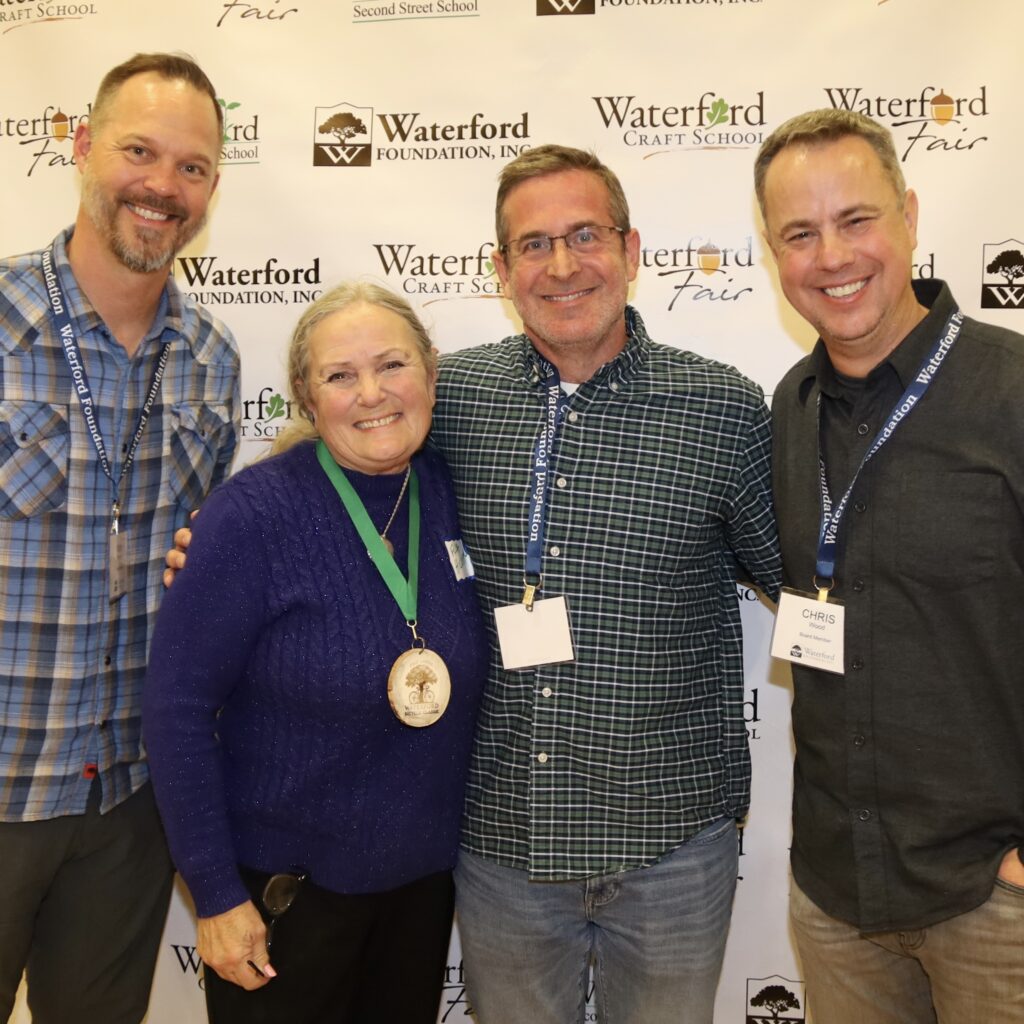
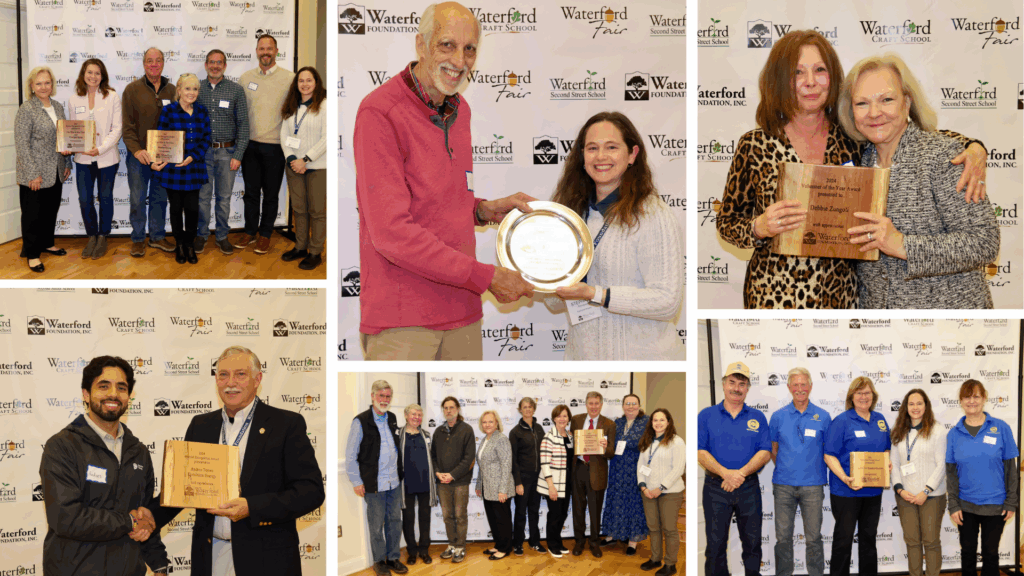
We wanted to send a huge, heartfelt thank you to everyone who made our Annual Volunteer Party on November 14th such a special evening!

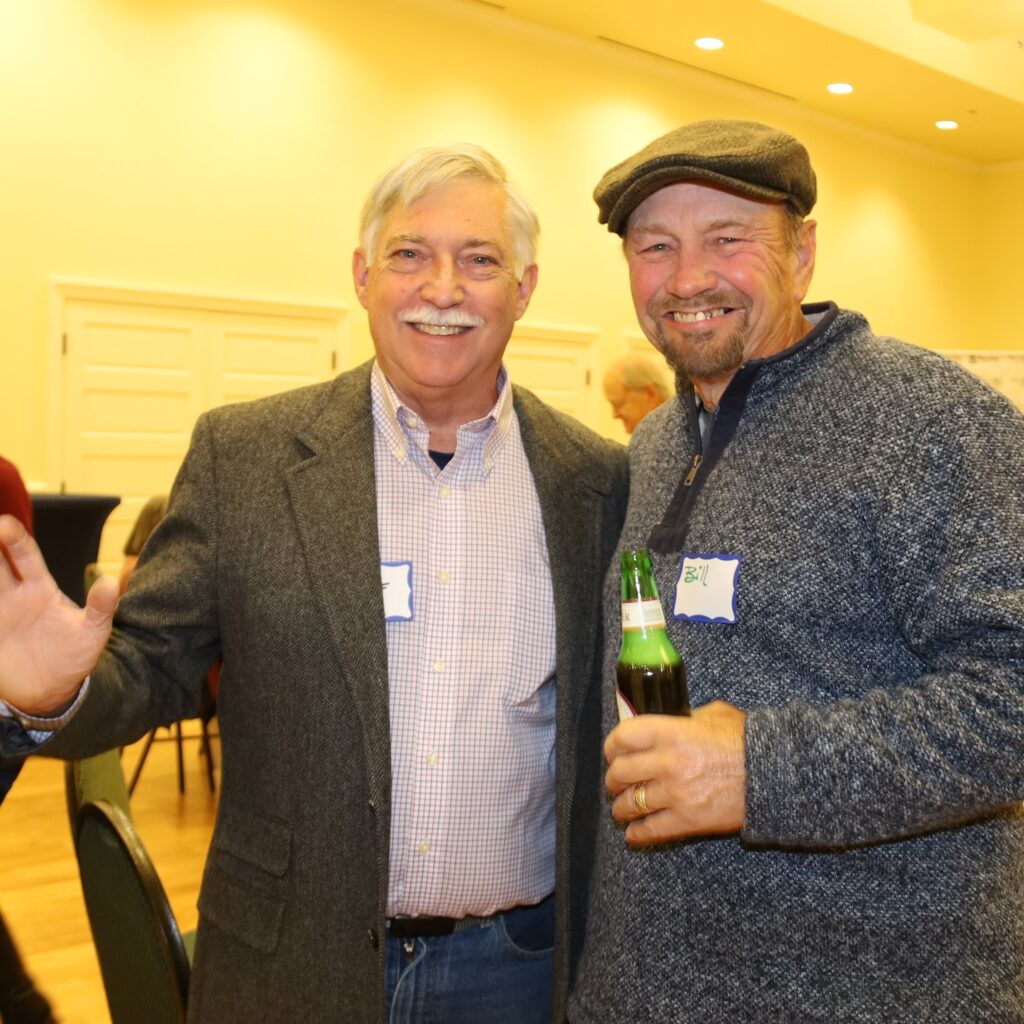
It was an absolute joy to celebrate all of our incredible volunteers. Seeing everyone together reminded us, yet again, that you are the heart and soul of the Waterford Foundation. Your dedication, hard work, and commitment make our mission possible every single day.

Thank you to everyone who came out! If you missed it, we missed you—and we are so thankful for your commitment and hard work, which are the driving force behind everything we accomplish. We deeply appreciate the time and passion you share with us. Thank you for a truly memorable evening and a remarkable year!

AWARD WINNERS

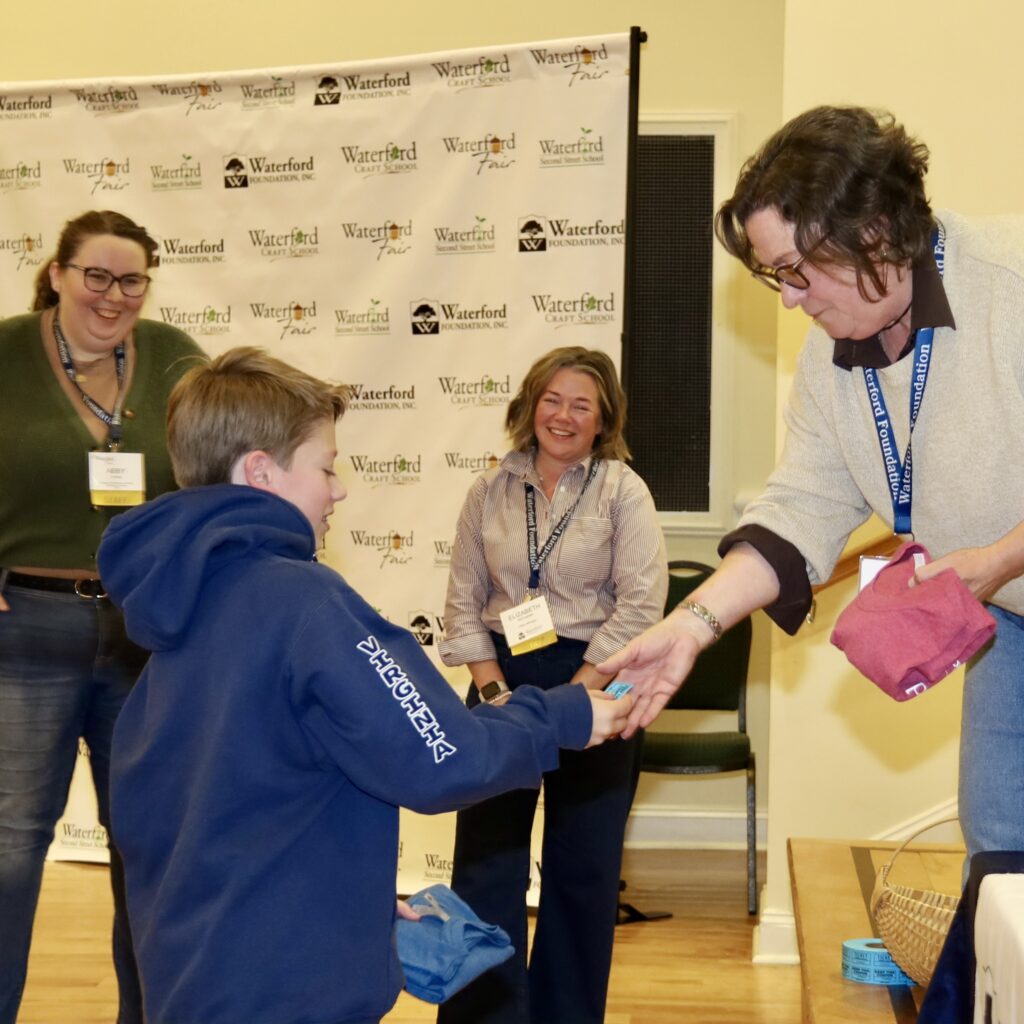
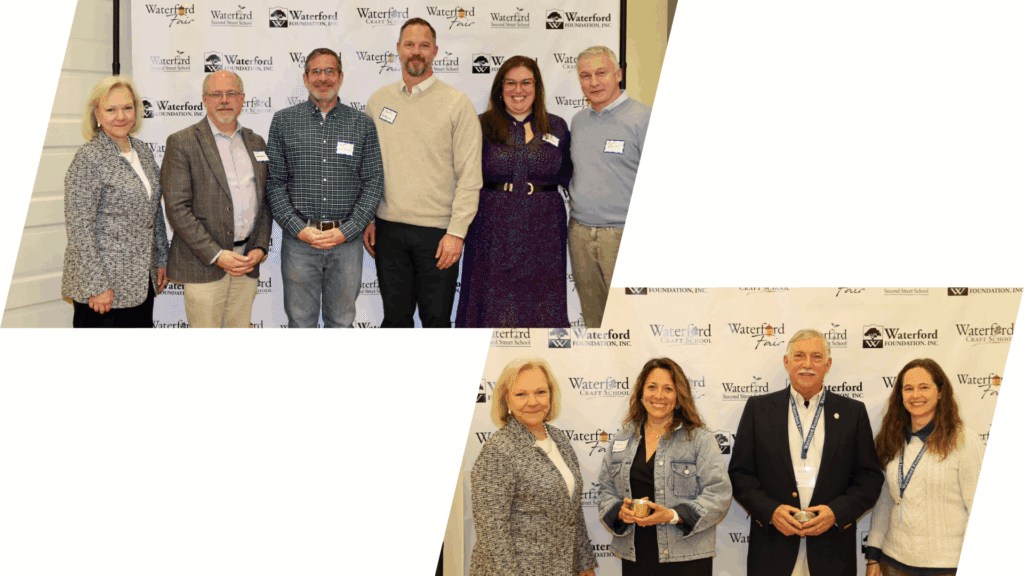
A huge round of applause for our 2025 Volunteer Award recipients! Their remarkable contribution and selfless work throughout the year made a profound impact on the Waterford Foundation’s success. Thank you for your inspiring service!

  • Shire Stein (not pictured)
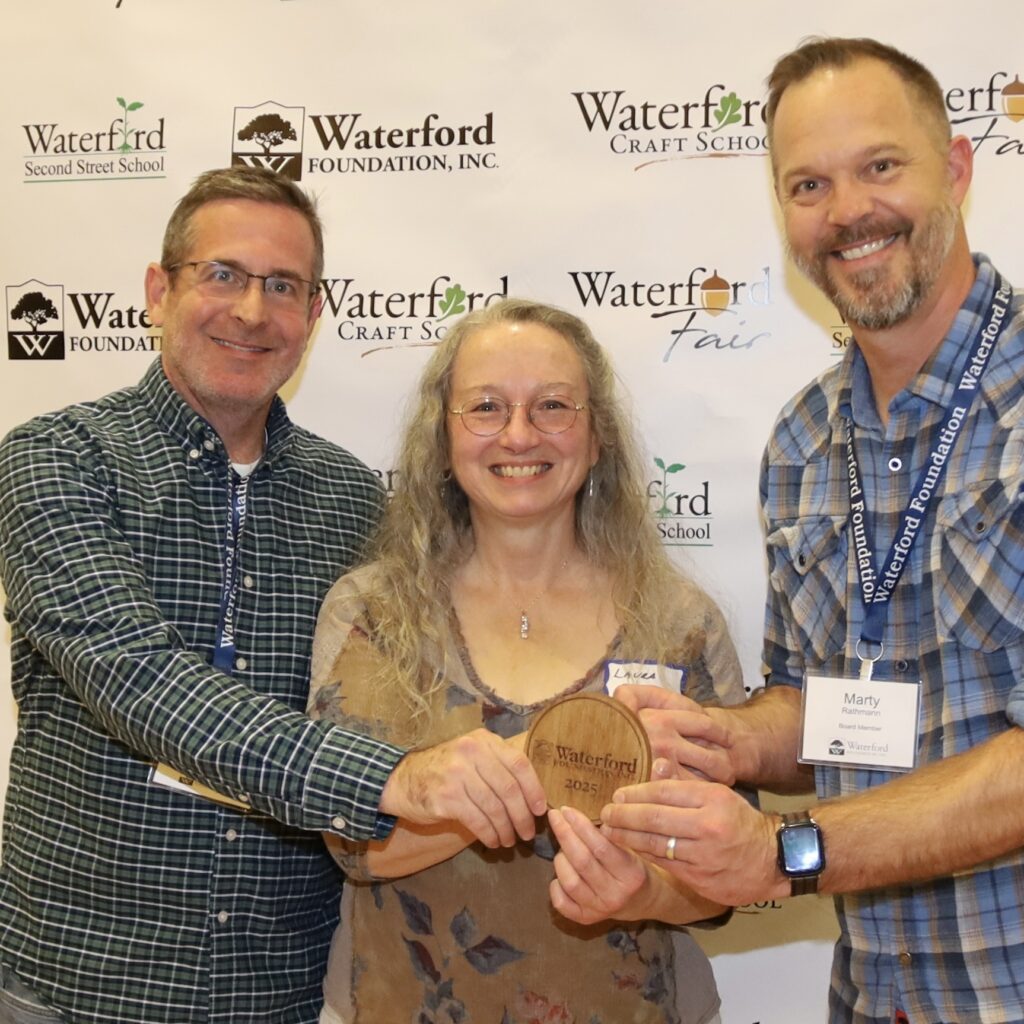
  • Laura Silbee
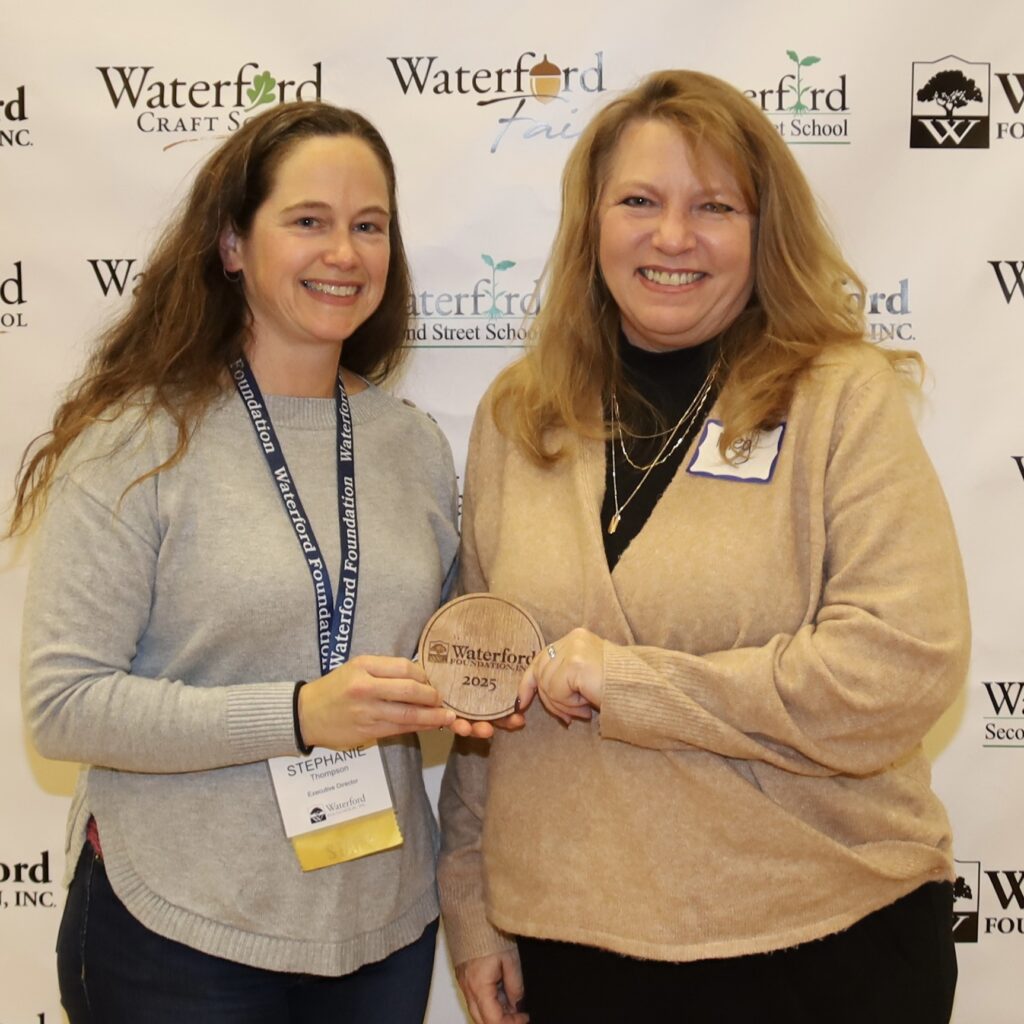
  • Meg Nash
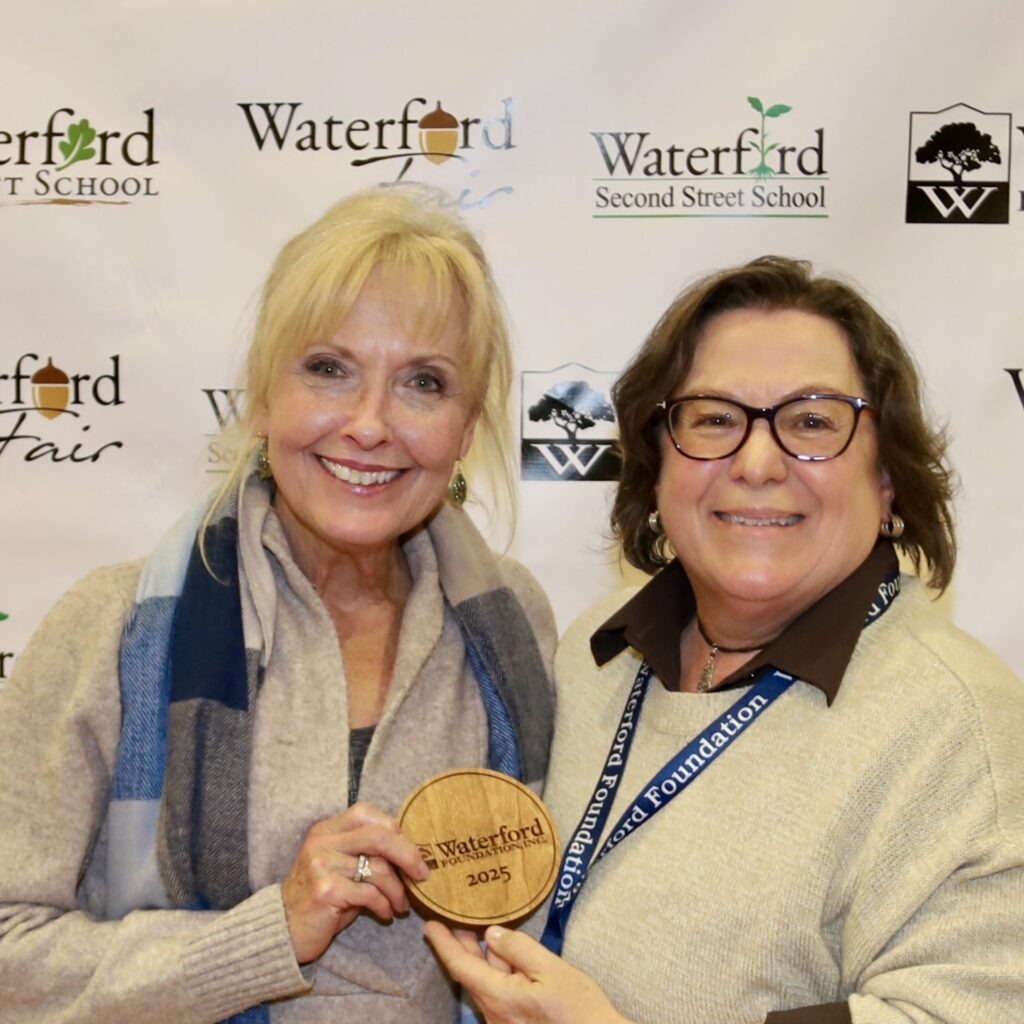
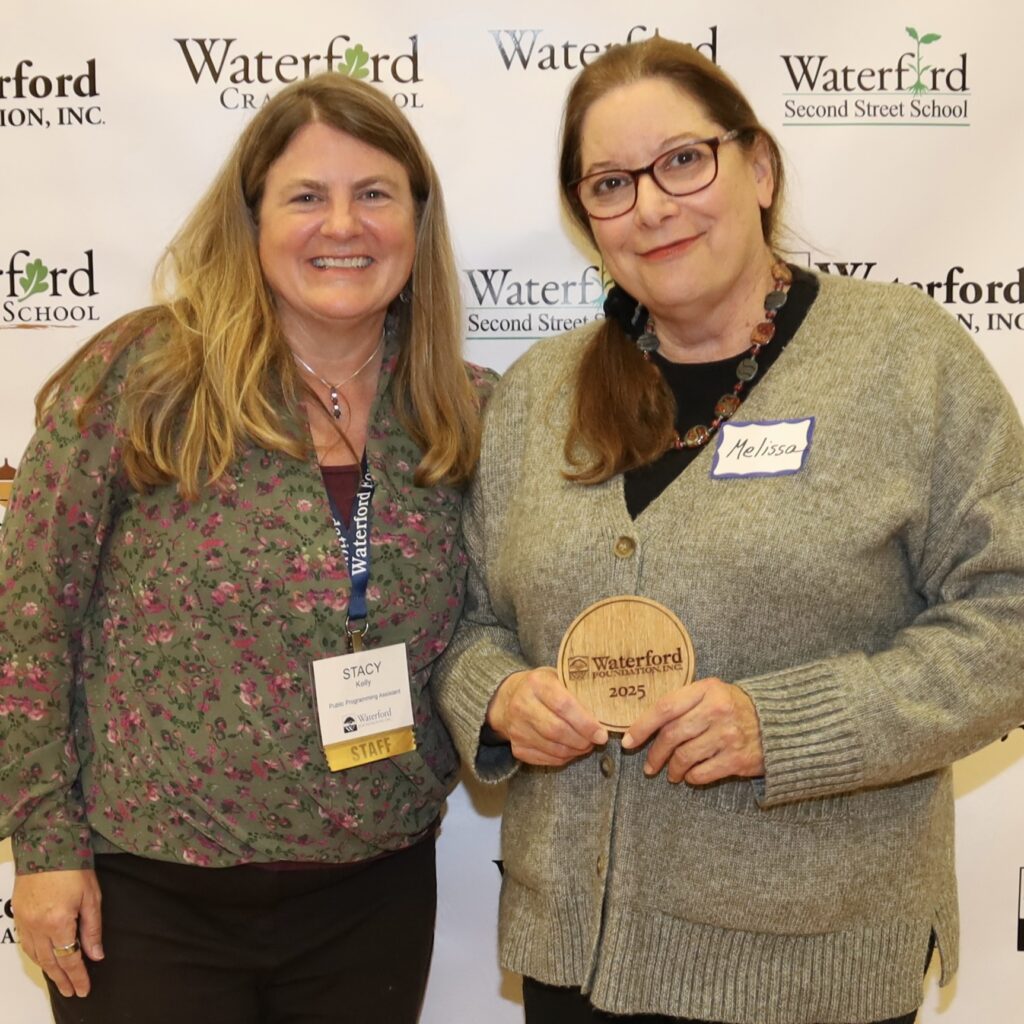
  • Melissa Hess
  • Abbie Pope (not pictured)
  • Tara Novotny (not pictured)
  • Sue Bremer
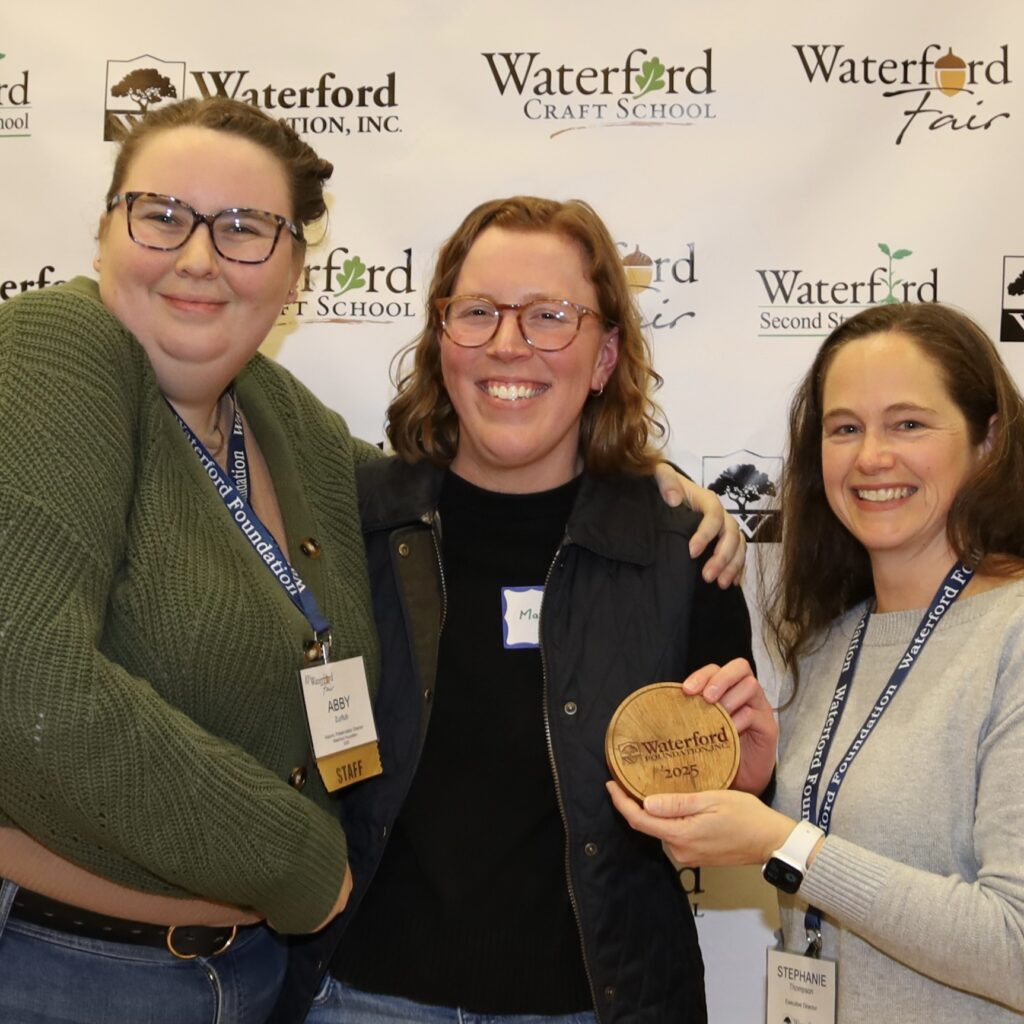
  • Maggie Allison
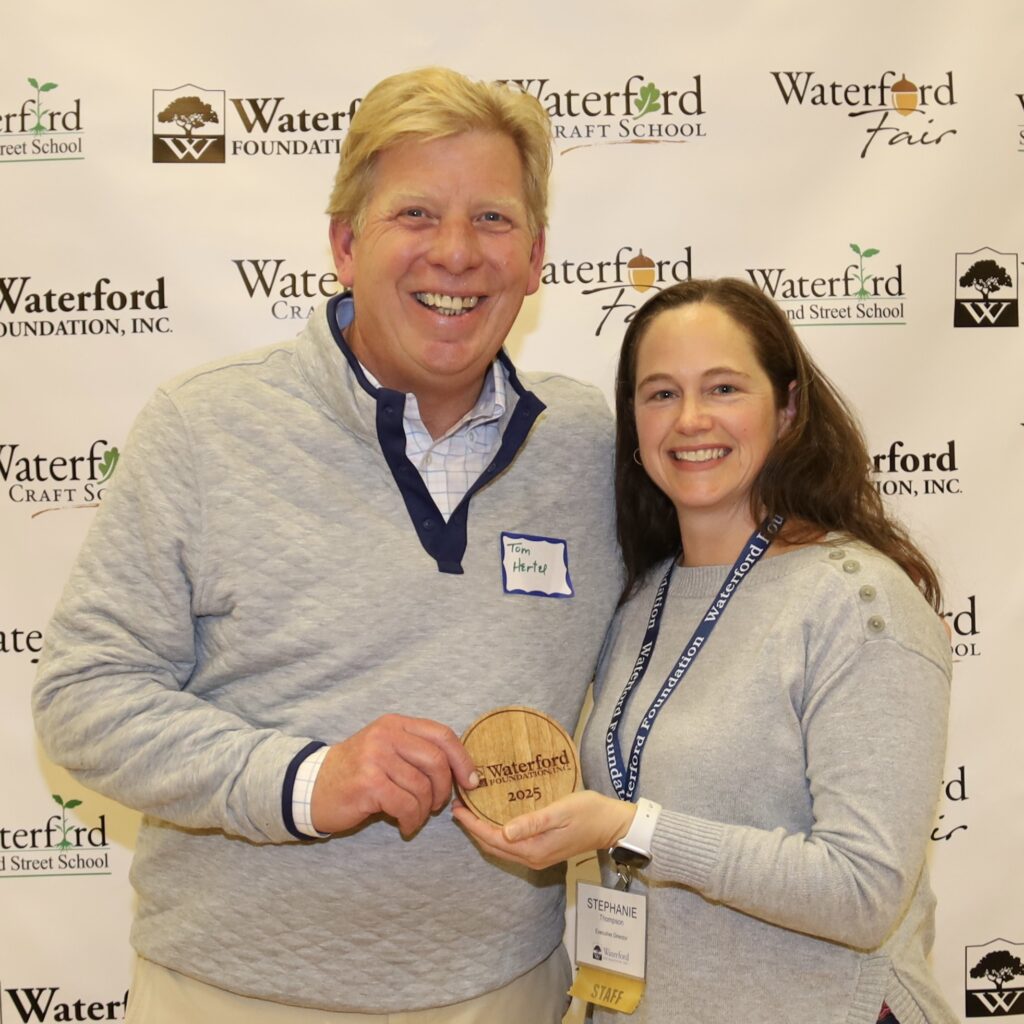
  • Tom Hertel
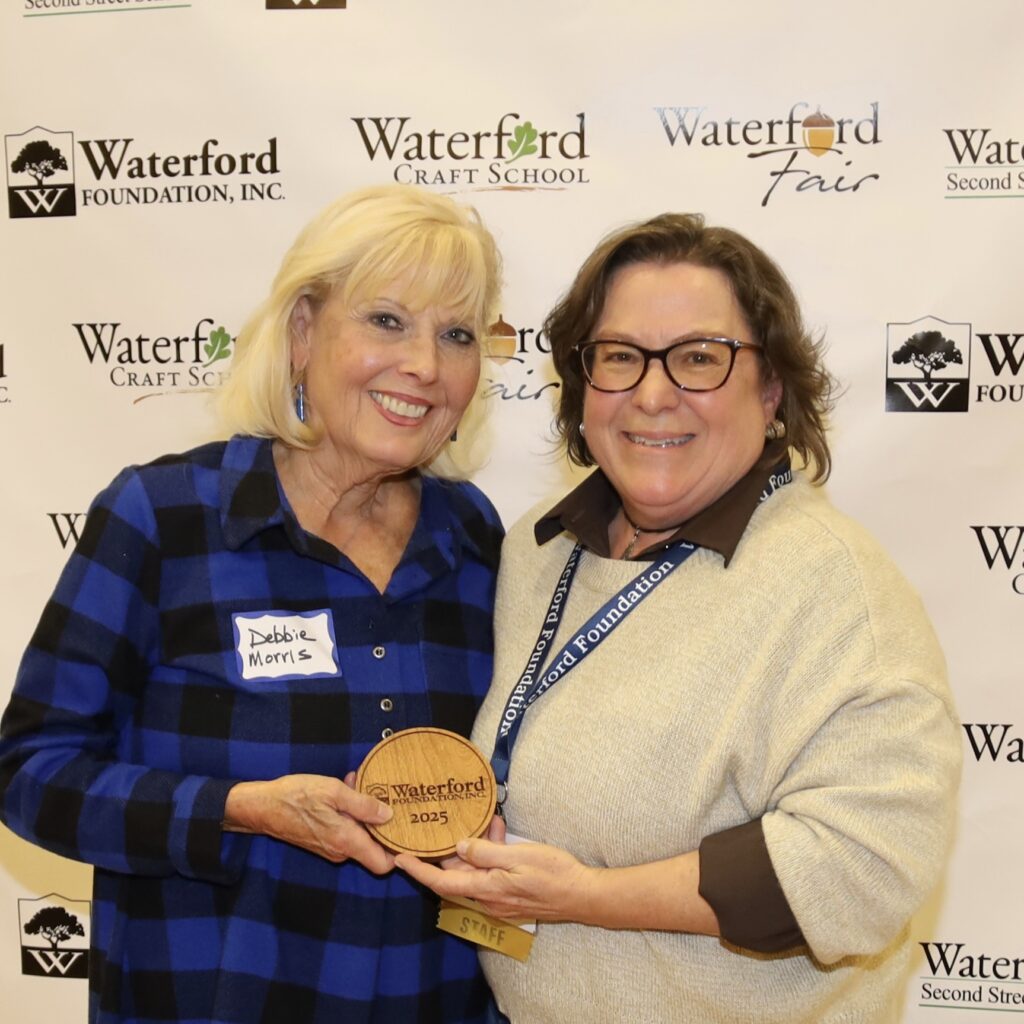
  • Debbie Morris
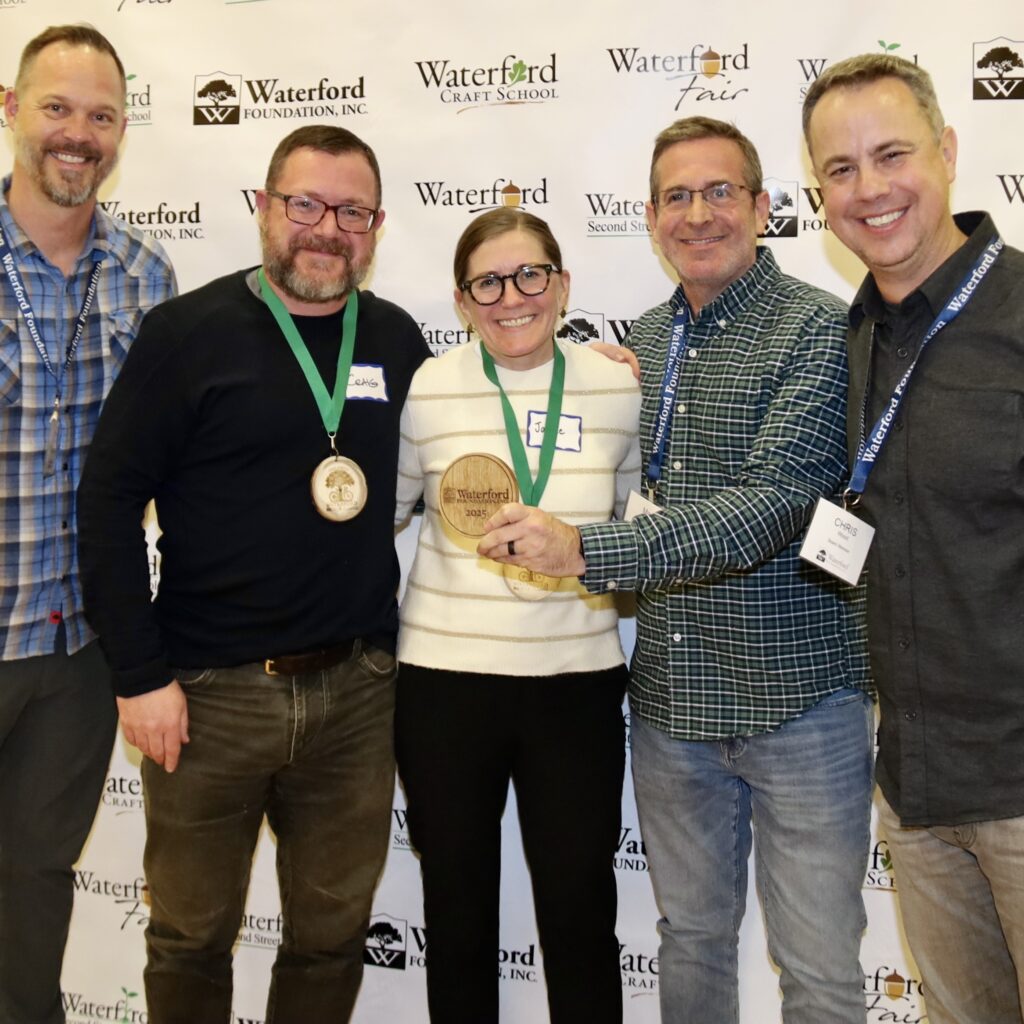
  • Janelle & Craig Banta
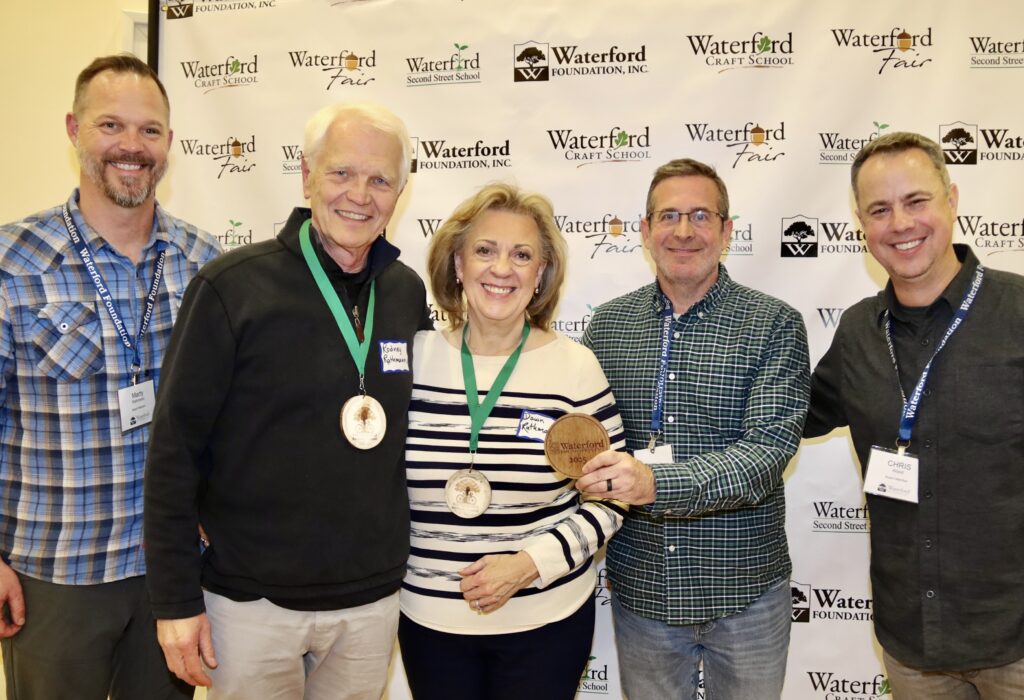
  • Dawn & Rodney Rathmann
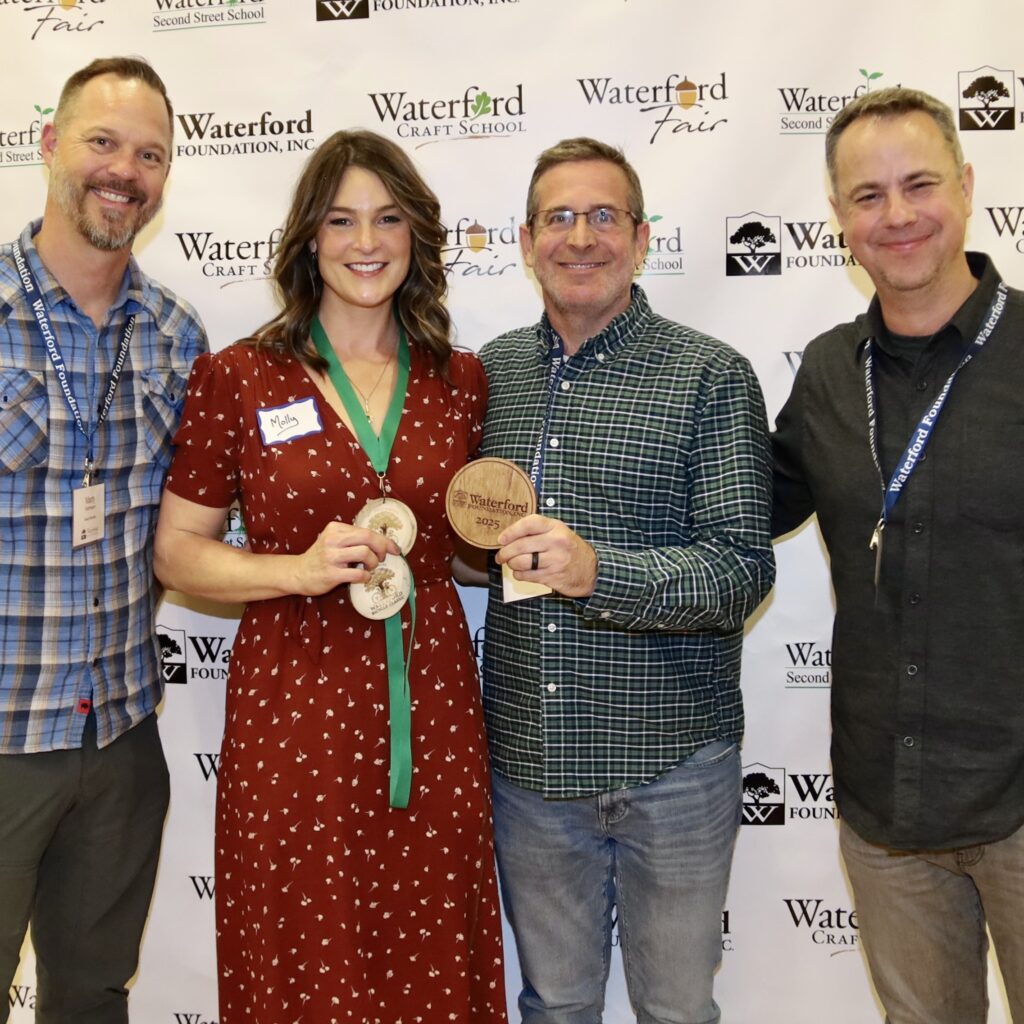
  • Molly Darr & Louis Nottingham (not pictured)
  • Dave Hunt
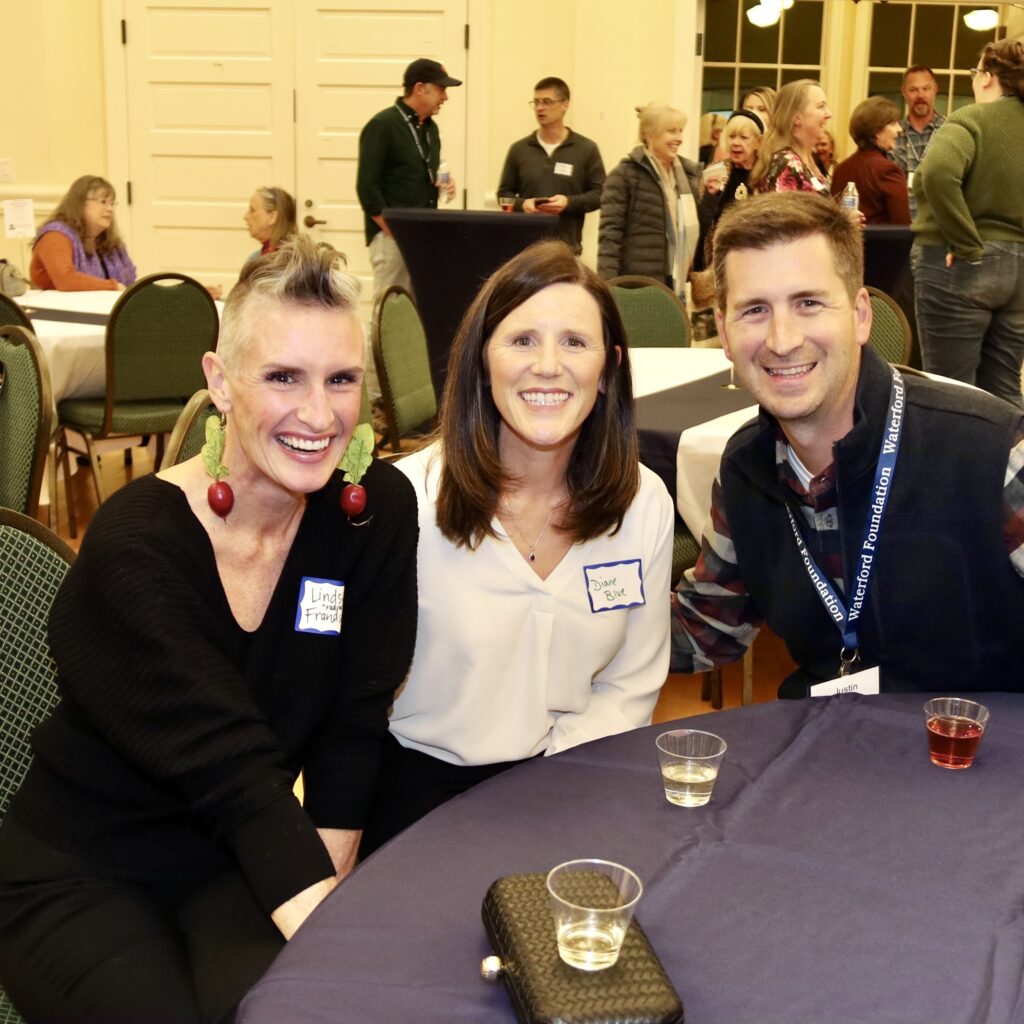
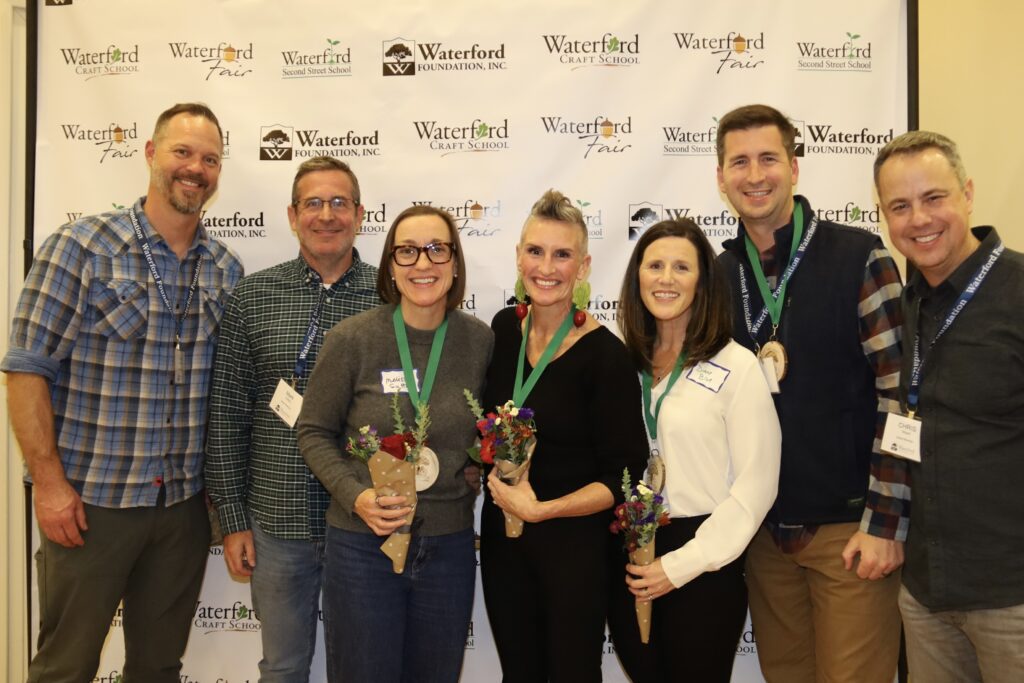
  • Lindsey Frandsen, Melissa Sutton, Elyssa Wood, Diane Blue & Anna Rathmann
Winner Laura Silbee with Mark Sutton & Marty Rathmann
Meg Nash receiving award from Stephanie Thompson
Winner Sue Bremer with Tracy Kirkman
Melissa Hess receiving award from Stacy Kelly
Maggie Allison (middle) with Abbie Zurfluh & Stephanie Thompson
Stephanie Thompson presenting award to Tom Hertel
Debbie Morris award presented by Tracy Kirkman
Molly Darr with Marty Rathmann, Mark Sutton & Chris Wood
Dawn & Rodney Rathmann receiving award from Marty Rathman, Mark Sutton & Chris Wood
Melissa Sutton, Lindsey Frandsen & Diane Blue pictured with Waterford Classic Leads, Marty Rathmann, Mark Sutton, Justin Blue & Chris Wood
Janelle & Craig Banta award presented by Marty Rathmann, Mark Sutton & Chris Wood
Flora Hillman receiving award from Marty Rathmann, Mark Sutton & Chris Wood

The energy and commitment we celebrated that night are truly inspiring. The staff is already looking forward to partnering with all our volunteers and seeing the wonderful new achievements you will bring to the Waterford Foundation in the coming year.

If you feel inspired by the dedication shown by our winners, we encourage you to join us! Please let us know by completing the short form found on our website!

Filed Under: News, Volunteer

A Letter Home from Springdale School

July 31, 2025 by Stephanie Thompson

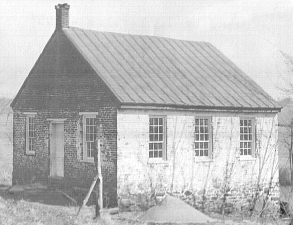
Fairfax Meeting Schoolhouse

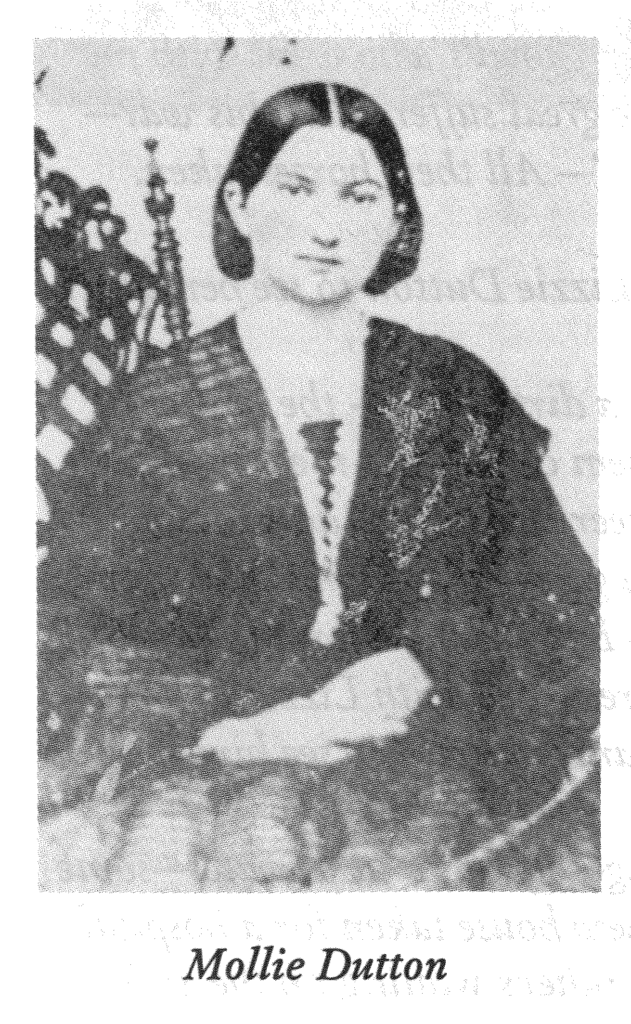
In 1856, Mary Frances “Mollie” Dutton [1840-1933]  was a girl of 16, writing a letter home to her parents from Springdale School in nearby Goose Creek (now Lincoln), about 10 miles southwest of Waterford. Mollie likely would have begun her studies in one of several small schools in Waterford, such as the small brick schoolhouse adjacent to the Friends’ meeting house on Loyalty Road. Quakers highly valued education, and Mollie’s parents sent her to boarding school at Springdale once she had completed her studies in the local schools. In Mollie’s letter below, excerpted from “To Talk is Treason”, we get a glimpse into the life of a young Quaker woman in the mid-nineteenth century.

Springdale 4th day noon

Dear Mother and Father

It has been some time since I last wrote home and feel as though I could say a great deal to you now about matters & things.

I expect you would like to know how I spend my time visiting and if I got anything good to eat. I went home with Maggie and never had a more pleasant time away from home. Mag lives with her Aunt Phebe Gregg a very feeble old lady. There was no one there but her, and an old housekeeper who was as kind as she could be and gave me everything good she could find.

7th day after dinner we went to Joseph Nichols and staid until after supper and then rode home. The next morning we did not go to meeting but spent the morning reading, talking & eating bell-flower apples. For dinner we had roast chicken and mince pie beside all the appurtenances which everybody has at common & uncommon times.

At 3 we started for old Springdale and it was near suppertime when we reached there. Social meeting did not begin until after supper and I hurried over my lessons for morning & would not have missed them for anything if it could have been helped, for Cousin Henry would have attributed it to us visiting.

I have got along very well so far this week and do hope I shall continue to do so the remainder of it. I received Sister Lidy’s letter on First Day and was very glad to get it. I will answer as soon as I can. I always write when I think I can well spare my time from my books. 

What do you think of my character, I am glad to tell you that my hundreds were not lost as I thought, but we were not examined in that study where 100 is omitted. I was so glad to hear it, for I did not think I had ever missed but one and think that was doing fairly well for 9 months. It was more than any of the rest done but Thammy Janney, hers was perfect.

Supper is over, our supper of bread, butter and molasses, and now comes study hour in a few minutes. Do you ever think of me working over my sums–little Sis Anna does, I expect. Never mind, when I come home I will learn her and Lidy how to work problems, and do hard sums.

I think Cousin Lizzie is very much pleased with my drawing. I am getting on better than any of the scholars. Perhaps when I come home I may know sufficient about it to set up a drawing class, then Sister Lizzie would teach school and we could have fine times, Anna should come to me certain, and the way we would cut up would be a caution to good fellows.

Mother, have we had much company lately or does thee trot about so much they cannot come? Now Lewis is gone, Sis is at home more, I expect, and gives thee an opportunity to leave home. I think she might write to me–it has been some time since I heard from her ladyship, tell her. She left her shoes here, and I have been trying to get an opportunity to send them to her but have not yet succeeded. She will have to come for them herself and spend 2 or 3 days. I should be very glad to have her, but she should not spend all 7th day morning in the sitting room chatting with a certain Springdale student, making someone else so uneasy. I have laughed so much over that.

Father, Cousin Henry told me to ask thee if thee needs any of his sympathy now. He also sends his warmest regards to thee and Mother and all enquiring friends. I have not had an answer from Han[nah?] yet; she promised me to write immediately. When do Uncle William and Aunt Louisa [Steer] start south. Give my love to them please and to all my friends if they enquire after me. Some of the girls want me to petition to Cousin Henry for spelling school tonight. The last one we had, Maggy and I chose up sides and had so much fun choosing the boys.

Oh I have so much to tell you but can not say more now. I hope you are all enjoying good health and getting along first rate. Give my love to Brother, Sisters and retain a large portion for yourselves. I remain your affectionate daughter.

Mary F. Dutton


Notes:

Springdale School was established in 1839 by a Goose Creek Quaker, Samuel M. Janney, as a Friends boarding school for girls. Local boys attended as day students.

To avoid using the pagan-derived common names for months and days of the week, Quakers adopted their own nomenclature for dates. Thus January is “First Month” and Sunday, “First Day.”


Find this and other stories from Mollie’s life in To Talk is Treason: Quakers of Waterford, Virginia on Life, Love, Death & Water in the Southern Confederacy, available online here.

Filed Under: history, News, quaker, Waterford History

End of Term Report: May 1884

June 5, 2025 by Stephanie Thompson

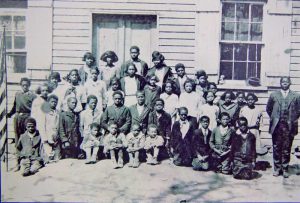
The one room school on Second Street served Waterford’s Black students from 1867 when it was built until 1957 when students were bussed into Leesburg. Sometimes serving over 60 students at once, many of whom were over 16 years old, the small space was filled with students eager to learn. Teachers and students alike worked hard to make the most of their new educational opportunities after Emancipation, as witnessed by a May 1884 visitor who shared his experience in the Loudoun Telephone:

Mr. Winton Walker and his students at the school on Second Street, c. 1920

‘On Friday evening last the Waterford colored school closed, at the end of an eight months’ session with Prof. Edw. F. Arnold as principal, Miss Mollie Saunders, assistant, and Messrs. Roberson [Robinson], Boyd, and Minor, Directors. 

‘The exercises clearly showed progress in the school, which was due to the untiring efforts of the teachers and directors together, with some assistance from interested patrons. Recitations, dialogues, music &c., were the order of the evening. A public examination of the pupils convinced the visitors of stores of knowledge fastened in their minds during the session.–The reading by some of the pupils would put to blush some of the scholars in our white schools. It was done with confidence and boldness. The singing, with all respect to the white folks, was so superior as to compare with the squeaking of a wheelbarrow and the notes of the woodthrush. Special praise in this direction is due to Miss Saunders, whose throat seemed to contain a harp of a thousand c[h]ords.

 ‘Flowers were displayed in great profusion and very tastefully arranged. The children were genteel in appearance and dignified in deportment….”

– Loudoun Telephone, 16 May 1884; as quoted in A Rock in a Weary Land, A Shelter in a Time of Storm, Souders and Souders, 2003.


Learn more about Waterford’s African-American heritage in A Rock in a Weary Land, A Shelter in a Time of Storm, available online here.

Filed Under: Black History, history, News, Waterford History

2025 Annual Meeting Recap

May 2, 2025 by Elizabeth McFadden

The 2025 Waterford Foundation Annual Meeting, held on April 10th at the Old School Auditorium in Waterford, Virginia, began with a presentation by Historic Preservation Director Abigail Zurfluh. She discussed the semi quincentennial celebrations planned in Loudoun County and the VA250.

President’s Report:

President Sue Manch thanked members, donors, and volunteers for their support in addressing challenges in 2024, particularly regarding a canceled power line project that threatened conservation easements. The Foundation is dedicated to protecting these easements and enhancing legislative support. Progress on the five-year strategic plan includes the Second Street School program, diverse tours (Garden and Black History), and preservation efforts such as a grant for the John Wesley Community Church renovation.

Executive Director’s Remarks:

Executive Director Stephanie Thompson highlighted successful fundraising efforts like the Give Choose campaign and the Waterford Fair’s 80th anniversary, which saw significant participation. Educational outreach was strengthened through the Craft School and Second Street School programs.

2024 Annual report

Awards and Recognitions

Eagle Scout Recognition: Nicholas Babu for designing chair carts.

Special Recognition

  • Andres Torres of Dominion Energy received special recognition for his crucial role in addressing an electrical service upgrade challenge for the Waterford Fair.
  • The Loudoun Transmission Line Alliance was honored for its successful advocacy against new power lines in Rural Loudoun.
  • Waterford Fair Libations Team and Wheatland Spring was celebrated for their role in enhancing the 80th Waterford Fair by creating a popular new beer and expanding beverage locations.

Community Partner Award: Lovettsville-Waterford Ruritans for exceptional support during the Waterford Fair.

Volunteer of the Year: Debbie Zungoli for extensive support of educational events.

Lifetime Achievement Award: Ed Lehmann and Edith Crockett for longstanding dedication to the Waterford community and the Foundation.

Board Elections

The business meeting included the approval of the previous year’s minutes, the Treasurer’s report by Dave Hunt, and recognition of departing board members Dave Hunt and Anna Rathmann. The meeting concluded with the report from the General Nominating Committee, announcing eight openings on the Board of Directors and the nomination of new board members.

Meet our 2025-2026 Board of directors

Filed Under: News Tagged With: meeting, news

Waterford Foundation Beginnings, 1943-1970

May 2, 2025 by Stephanie Thompson

By John Souders, originally printed in the 2018 Waterford Fair Booklet

The Waterford Foundation: The Early Years—1943-1970

Each year thousands visit Waterford and marvel at a wonderfully intact remnant of early America. This year the village celebrates the Waterford Foundation, the far-sighted organization that for 75 years has worked to preserve and share that treasure. Its successes have been neither easy nor inevitable.

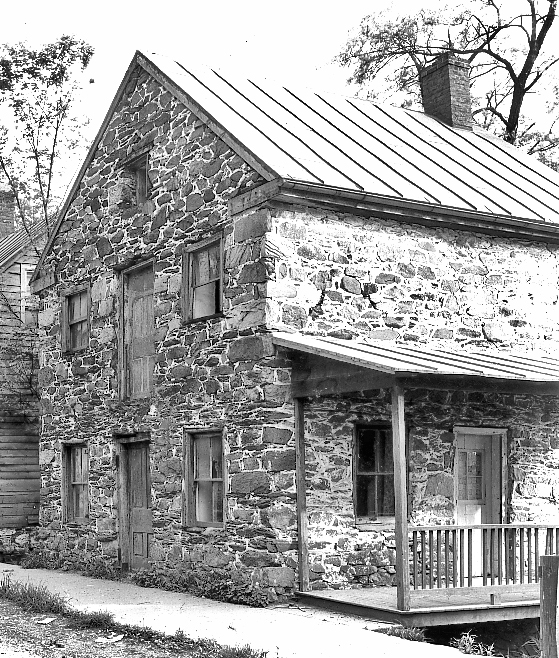
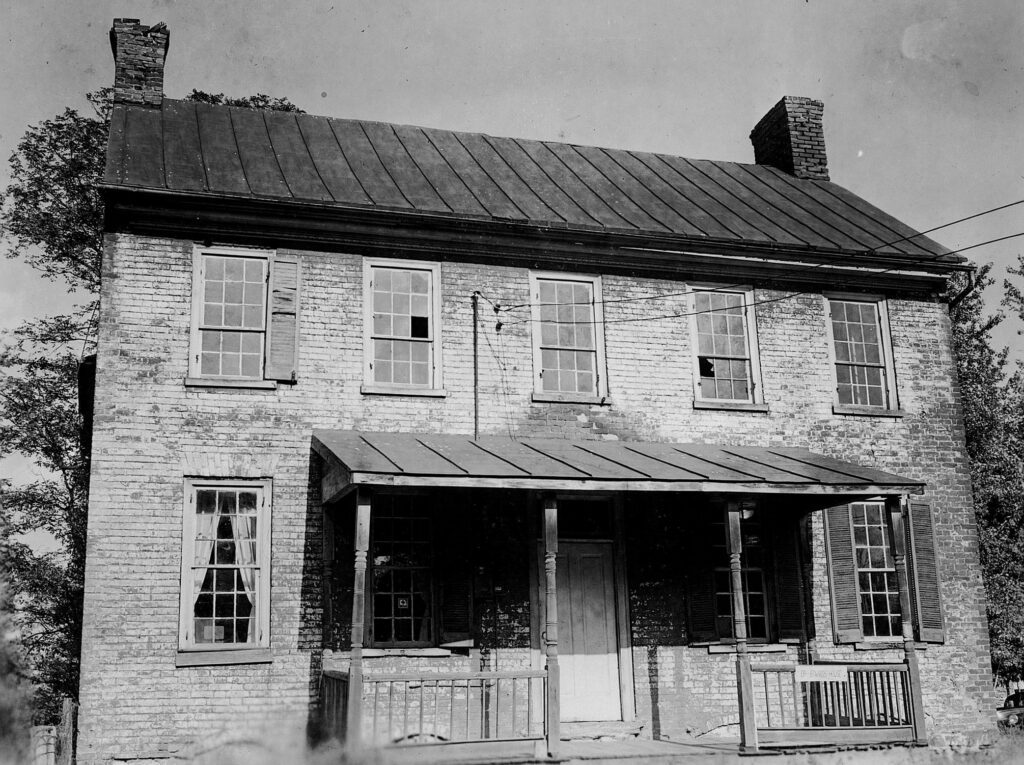
Black and white image of a stone house
Laura Page’s house stood on the southwest side of Main Street adjacent to 40155 (Goodwin-Sappington House).

By the 1930s, in the midst of the Great Depression, the old town was a near shambles, the hollowed out remnant of a long slow decline after the Civil War. Many locals doubted that the dilapidated buildings could or even should be saved from inevitable collapse. One charming old structure on Main Street, the final home of a former slave, was taken down for its stone, which was hauled to Leesburg.

The Pink House (40174 Main Street), originally an early 19th-century tavern, escaped a similar fate only because its brick proved too soft for reuse. As one dismayed newcomer put it, “Most every building looked as though it was about to fall apart … It seemed a truly deserted village.”

The one sign of life was the work of brothers Edward and Leroy Chamberlin, who had begun to repair and resell a number of deteriorating residences in and around town. The Chamberlins were an old Waterford Quaker family that fortunately had the means to tackle the job in the depression-ravaged community. But Edward died in 1940, and their momentum threatened to stall.
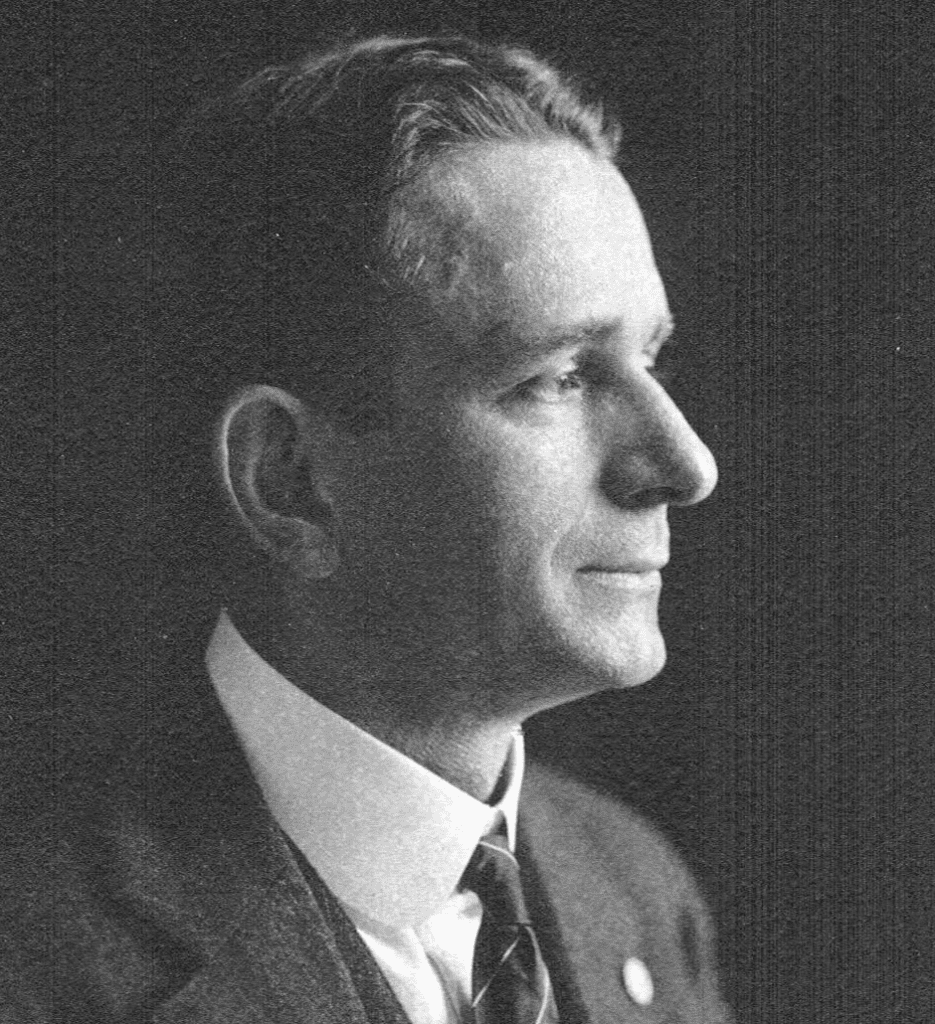
Allen B. McDaniel, architect and engineer and first president of the Waterford Foundation

Soon, though, a handful of concerned locals and a few recent arrivals came together and resolved to build on the Chamberlins’ progress. In 1943 they were incorporated by Virginia as the Waterford Foundation, Inc.  As a first step the founders organized themselves into a board of directors (there were no other members) and selected officers, including the first president, Allen B. McDaniel (1879-1965), an accomplished engineer with a firm in Washington. McDaniel had discovered Waterford, bought the old Quaker meetinghouse, and—with a thorough renovation—made it his home.

But where to begin? The new organization had no money and no real plan other than a desire “to preserve the historic buildings” and “to increase the public’s knowledge of life and work in an early American rural community.” As a tentative first step, the Foundation pulled together $825 to buy a dilapidated house that, fittingly, had been built circa 1800 for Mahlon Janney son of the town’s founder. They made necessary repairs and resold it in 1945 for $1,500. The organization would repeat this pattern of rescue and resale many times in the decades that followed, a bootstrap technique that was largely self-funding.

But not all needy buildings could or should be resold. A prime example was the defunct old mill, the iconic structure in the village. The Foundation was able to purchase that building in 1944 only because the Fadeley family stepped in with a $2,000 donation. Then, casting about for more sustainable ways to continue its work, the Foundation hit on the idea of holding an exhibition of arts and crafts and charging a nominal fee to attend. The success of the first such demonstration in 1944 exceeded the board’s hopes, and the “Waterford Fair” rapidly grew to a major cultural event in Loudoun and beyond, furthering the organization’s educational mission and providing a vital source of funding. [The Foundation will explore the history of the Fair in greater detail next year, the 75th anniversary of its modest beginning.]

Mahlon Janney House (15545 Butchers Row—also called the Doctor Edward’s House and Market Hill) was the Foundation’s first purchase.  Its long-neglected condition was typical of many Waterford buildings at the time.

Over the years the Foundation has confronted many challenges, some of its own making. An early and persistent one was a charge of elitism, coupled with secrecy. To help allay concerns, the board opened membership to anyone interested. But as president McDaniel put it in 1944, there was no certainty the people would “cooperate through a form of membership involving a nominal yearly contribution without some definite benefits or returns to them personally.” On that score he needn’t have worried, but suspicions about the Foundation’s motives long persisted in some quarters.

A greater threat to the long-term success of the Waterford Foundation arose from an unexpected source: the accelerating growth of Loudoun County. The population of the county had remained remarkably stable between 1800 and 1950, and few foresaw what would come next. Only belatedly did the board recognize that preservation of the mill village could not succeed without saving the green space that was its historical and visual context. The threat came to the fore in 1970 when the Water Street Meadow and Schooley Mill Barn properties came on the market, opening the possibility of new construction immediately adjacent to the town. Still, not all board members thought the threat was as great as the purchase price, and there were multiple resignations when the majority opted to buy the Water Street acreage. In hindsight the wisdom of their acquisition looks much clearer.

By 1970 the work of the Waterford Foundation had acquired a national reputation as a model of grassroots preservation. It had achieved its successes in restoring buildings, protecting open spaces and celebrating early American crafts and activities with virtually no public funding. That same year, in recognition of those accomplishments, the U.S. Department of the Interior designated Waterford and its surround as a national historic landmark district, a category reserved for the likes of Mount Vernon and Independence Hall.

But the work was not finished. The Waterford Foundation has continued to protect viewsheds, maintain fragile buildings, host the annual Homes Tour and Crafts Exhibit, and develop educational programs and exhibits. The challenges since 1970 and those ahead are topics for next year’s fair booklet.

Founding Members
Edgar H. BeansEdgar (1882-1957), was a livestock dealer and descendant of early Waterford Quakers.
Vera M. Chamberlin & son Edward M., Jr.Vera, from New Jersey, married into an old Waterford family. Her son was at one time treasurer of the Foundation.
Ellen H. & son Fenton M. Fadeley, Jr.The Fadeleys were an early Loudoun family. They lived at Rosemont, on the Old Wheatland Road.
Allen B. & Margaret B. McDanielAllen (1879-1965), a New England-born engineer, helped build the acclaimed Bahá´í temple near Chicago and was active in the Bahá´í faith.
Douglas N. & Winifrede (Frieda) E. MyersDoug (1896-1982), from an early Waterford family, was president of the Foundation in the 1960s. Frieda, a teacher, was from Indiana.
Paul V. & Pauline (Polly) S. RogersThe Rogers bought a farm near Waterford in 1937. Paul was a Washington attorney, Polly was from Kansas.
Frederic S. & Mary Phillips StablerThe Stablers were both of early Quaker families. They owned the Phillips Farm, where Mary was raised.

Filed Under: history, News, Waterford History

Christmas Celebrations

December 5, 2024 by Stephanie Thompson

While Waterford is now on the edge of bustling Washington, D.C. suburbs, for most of its history the village was a remote rural community. Waterfordians knew how to celebrate holidays with local products supplemented by goods shipped in by the village’s enterprising storekeepers, and businessmen. Before refrigeration, seasonal foods such as oysters were brought in for special occasions. Frank Rinker (1853-1924) ran a butcher shop at 15479 Second Street (The Old Insurance Building) where at Thanksgiving and Christmas he sold oysters, at $6.00 a gallon—a rare delicacy then at that high price. Orders were placed about ten days in advance and they were received a day or two before the holiday. The gallon cans, packed in ice, were shipped up on the railroad to Paeonian Springs. Later, when Minor James got a Model T truck, he would drive to the wharf in Washington and get them. Arthur Jackson, a chauffeur for the Chamberlins, would drive one of them to Florida near the holidays and return with oranges for the family. All the families, black and white, remember extra baking. One family remembered Christmas was the only time of the year they had “store nuts”—the rest of the time they gathered hickory nuts and black walnuts—driving them through an auger hole in a heavy board with a wooden mallet.
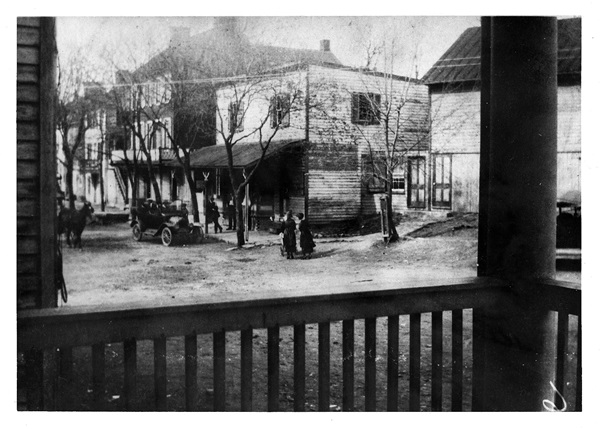
Eleanor James, who lived on Bond Street shared a recipe for Christmas Beer in an article for the Times Mirror:

“As soon as Thanksgiving was over, preparations for Christmas began. There was a traditional Christmas drink in Waterford that was made in almost every home; it was called Christmas or Lemon Beer. It consisted of three gallons of warm water, three pounds of sugar, three lemons sliced thru, one yeast cake and twenty hops. You boil the hops (tied in a piece of cloth) for ten minutes. You make this in a five-gallon stone jar. After adding all the ingredients, you stand the jar in a warm place for twenty-four hours to work; stir every once in a while. It will bubble and you can see it is working. Then strain, put in jars and it is ready to drink when cold. Do not use water that has chlorine in it to make this beer. During Christmas holiday visiting, this was the drink most often served to young and old alike. Though all used the same recipe, each tasted differently and “How did your beer turn out this year?” was a question often asked.”

We tend to romanticize the times in the village but people were working hard; times were tight; gifts were handmade and or utilitarian. Nevertheless, there still was a magic there, that John Divine captured in his memories of L.P. Smith’s Christmas store:

Paxson’s Store stood next to the Pink House at the intersection of Main, Second, and Water Streets.

“For several years Mr. Lem Smith rented the closed Paxson’s store during the holiday season and used it as a Christmas store. Oh! What a thrill it was to see so many things near and dear to a little boy’s heart. There were little red wagons, sleighs and tricycles, then, for the girls, dolls and games. No mall today can give the pleasure of that little Christmas store. When the holiday was over, there were no after-season sales. Mr. Smith simply packed everything away and set it out again the next year to thrill us all over again.”


Find this and other Waterford stories in When Waterford and I Were Young, by John Divine with John and Bronwen Souders.

Filed Under: history, News

The Visit

September 6, 2024 by Stephanie Thompson

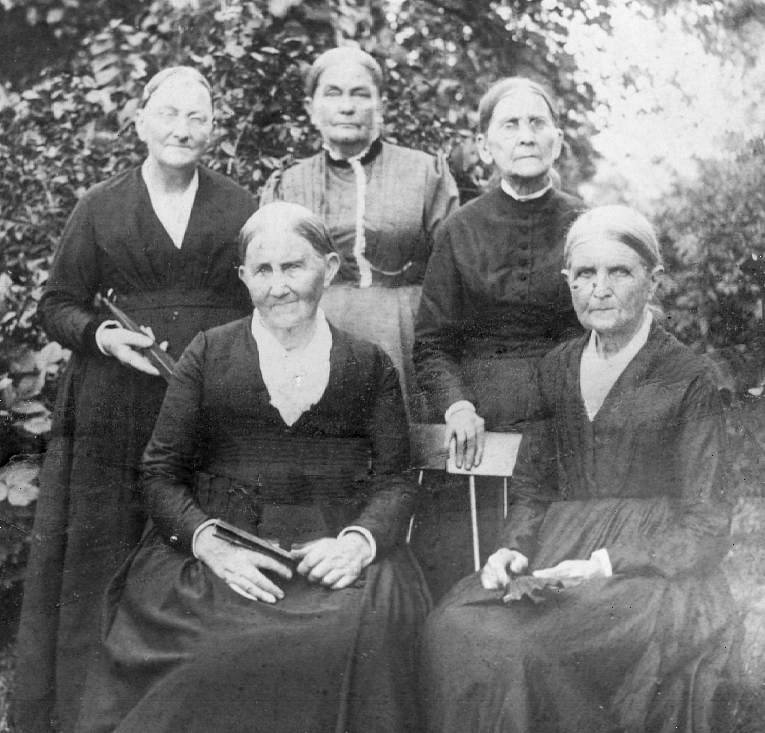
Mary Frances Dutton Steer [1840-1933] was the daughter of John B. Dutton and Emma Schooley Dutton and sister to Lizzie and Lida Dutton of Civil War-era Waterford News fame. She was a gifted poet and artist, and today’s historians are blessed to be able to study Waterford’s past through her eyes. Her poem “The Visit” was inspired by a visit of two elderly friends, Rachel Steer and Sarah White, when Steer herself was sixty-four, circa 1904. 

Ann T. Gover (1820-1896), Sarah G. Janney White (1815-1905), Hannah Mendenhall Worley (c1820- ), Rachel Lousia (Lucy) Steer Schooley (1825-1896), Rachel Steer (1814-1912). Rachel is in the lower right. The other women are not individually identified. Image courtesy of Taylor Chamberlin.

“The Visit” by Mary F. Steer

As printed in the booklet of the 1948 Waterford Foundation Exhibit of the Work of the Artists and Craftsmen of Loudoun County, Virginia.

They came to spend the afternoon
These dear old friends of mine;
One of them was eighty-eight,
The other, eighty-nine.’

With knitting-bag hung on an arm,
Their dress so clean and neat,
With aprons white as driven snow,
I tell you, they were sweet!

They tip-toed through the kitchen door, 
(“Front steps were hard to climb”)
For one of them was eighty-eight,
The other, eighty-nine.

Just half-past one it was they came,
“Oh! What a treat!” I said,
“To have an old-time visit!
It almost turns my head.”

I set for them the easy chairs,
They laid their wraps aside
And soon took out their knitting-work
How fast the time did glide!

They laughed and joked and told great yarns
Of happenings in the town
When they were young and went to school
To gentle Mary Brown.

At four I made the kitchen fire,
The supper to prepare.
(They could not stay till after dark
For dampness in the air.)

I brought my choicest dishes out
And gathered a bouquet
To decorate the table,
For it was a gala day!

Do you not think I ought to
Have seated them in state,
When one of them was eighty-nine,
The other, eighty-eight?

And long before the sun went down,
I saw them safely home.
They said they had a happy time,
And I was glad they’d come.

Strong is the chain that binds us
In friendship’s mystic tie,--
For I feel old as they do. 
And they feel young as I.

Filed Under: News, Waterford History

Waterford School Days

August 1, 2024 by Stephanie Thompson

This account of school days in Waterford in the early 20th century comes from John E. Divine in his book When Waterford and I Were Young, written with Bronwen and John Souders. The school he describes in this excerpt was the school for Waterford’s white children through the early 1960s. It is now called the Old School and is where the Waterford Foundation offices are currently housed. The school on Second Street that served Waterford’s Black children is also discussed in Divine’s book as well as other Waterford Foundation publications. Find more information about that school here.


With few exceptions, Waterford School was blessed with good teachers. They certainly were not in it for the money–salaries in 1904-05 were just $27 per month. 

It is always dangerous to rate or even name teachers, lest some fine ones be overlooked. I will nonetheless mention two who made a great impression on me.

My first grade teacher, Miss Mary Shawen1 led her pupils gently from freedom to the discipline of academic life. Miss Minnie Russell2, who lived on Patrick Street, was a great mathematician for the 6th and 7th graders. Miss Minnie taught at least two generations of students–the parents of some of my classmates had studied under her.

Miss Mary Shawen is pictured in the front row, to the left of the girl holding a ball.

Miss Minnie was a stern task-master with but one aim: make every student ready for the next grade. I can picture her with her starched white apron and high black collar standing in front of a class after we had not performed to her standards in a quiz. “Well! I’m ashamed of you! But I promise you, you will learn this work or we will still be on these pages at the end of the school term!” These were not idle words, for you did learn it as you were afraid not to respond. A great regret of mine is that on her death I could not stand at her grave and say, “Thank you, Miss Minnie.” A World War II date with Uncle Sam had taken me away from Waterford.

From the heartland of America came a Hoosier schoolteacher, Winifriede Elliott, who made contributions to the social, as well as academic, life of the village. “Frieda” married in Loudoun, forsaking her native Indiana to become a true Waterfordian in every sense of the word.

The name Frieda Myers became synonymous with education at the high school level, church work, and with the broader family life of the community. She became principal of the high school for a term and a half, after Mr. Vivian Ayers resigned midterm in 1926. She brought with her a discipline that the school had not previously known; of this, the writer of these lines has first-hand knowledge. Never again did a 16-pound shot, used in track, ever fall down the ventilator duct, nearly shaking every window loose.
Not that Mrs. Myers lacked a sense of humor. She told a story that captured life in Waterford at Christmas time, when friendliness reigned supreme: Mrs. Myers had a near neighbor and, in the custom of the time, she invited this neighbor in to visit and sample her fruit cake. This fine lady had but one fault: occasionally she would speak without thinking. On that day, as they ate the fruit cake, Mrs. Myres remarked thoughtfully as she tasted it, “I think it needs a bit more spice…” Whereupon the guest replied, “Most anything that was done to it would have helped!”

For a school so few in numbers, we had good athletic teams–girls basketball, men’s baseball, and mixed tennis. In 1925, we won the county baseball championship, defeating Round Hill 4-3 in a real thriller for the title. One of the great days in our young lives was the following Monday morning, when at assembly, the principal, Mr. Ayers, made a speech of congratulation.

Mr. Ayers, by the way, was courting a teacher that year who boarded with Mrs. Flave Beans in the rooms over the present Waterford Market. There were two large buckeye trees in front of the building, and Mr. Ayers would park with the bumper of his new Durant auto against one of them when calling on his lady friend. 

One night some boys wired his bumper to the tree and hid nearby to see what would happen. Mr. Ayers finally came out and started the car, which immediately choked out when he tried to back away. The next attempt he applied a little more gas, with the same result. The third time he applied enough gas to make his wheels spin. This brought him out of the car and revealed the reason for his troubles. 

Not until well into the 1930s was there county school bus transportation. Some of our students came by horseback, some by horse and buggy, and maybe a couple by auto. But the greatest number came on foot. It was a sight to see twenty or more pupils forming a group to walk out the road to Paeonian Springs at the end of the school day.


Find more stories from Waterford’s history in When Waterford and I Were Young by John E. Divine with Bronwen and John Souders.


  1. The Shawens are an old Waterford family. In 1815 Cornelius Shawen was one of 12 directors of the Loudoun Company, the county’s first bank. Miss Mary (1858-1925), who lived at Old Acre, was descended from those early residents. Her sister Frances (Fanny) married Waterford’s Frank Myers of “ Lige” White’s 35th Battalion–but only after keeping the hardened cavalry officer in uncertain torment for several years. ↩︎
  2. The Russells have also been prominent around Waterford for many years. Miss Minnie (1868-1942) lived in town with her unmarried sisters Ida (1859-1928) and Edmonia (1870-1945). Edmonia was postmistress for 25 years. ↩︎

Filed Under: history, News, Waterford History

  • Page 1
  • Page 2
  • Page 3
  • Interim pages omitted …
  • Page 8
  • Go to Next Page »

Footer

Office Manager oldschool@waterfordfoundation.org
Phone: 540-882-3018 x 2

Privacy Policy


Join Us

Copyright © 2025 · Waterford Foundation · Log in